wood mouse
Mice are among the most well-known and adaptable rodents worldwide. Most “true” mice belong to the family Muridae, one of the most species-rich mammal families. They are typically characterized by their small body, pointed snout, large ears, and long tail. Mice live in very diverse habitats, for example, in forests, fields, hedges, gardens, or near human settlements. Many species are crepuscular or nocturnal and feed on seeds, fruits, plant parts, and small insects. Due to their high adaptability and rapid reproduction, mice play an important role in many ecosystems – among other things, as seed dispersers and as a food source for numerous predators.
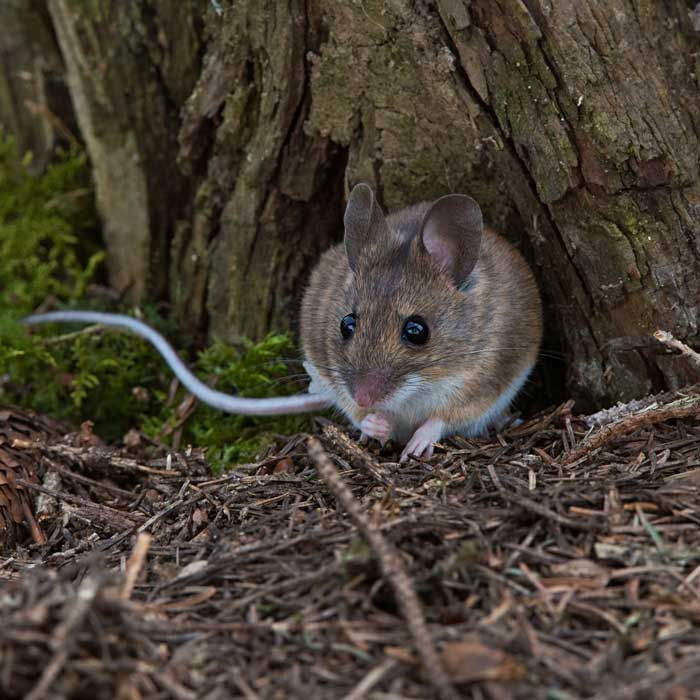
The wood mouse, a common rodent species in European forests and other habitats, plays an important role in the ecosystem as a food source for predators and as a disperser of seeds. This fact sheet provides a detailed overview of the biology and lifestyle of the wood mouse and highlights the importance of its protection and conservation in natural habitats.
wood mouse Products
-
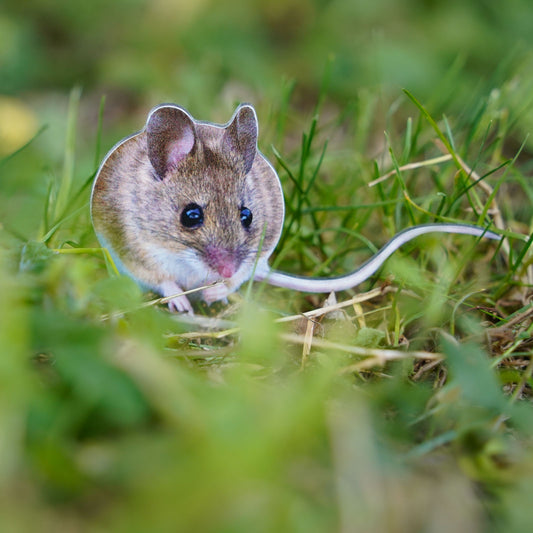
Animal display wood mouse
Regular price From 9,90€Regular priceUnit price / perSale price From 9,90€ -
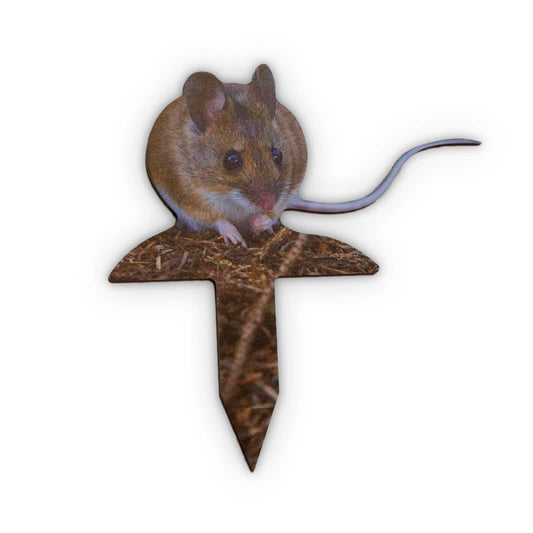
Animal display wood mouse skewer
No reviewsRegular price 10,90€Regular priceUnit price / perSale price 10,90€ -
Animal display pine marten
No reviewsRegular price From 9,90€Regular priceUnit price / perSale price From 9,90€ -
Pop-Up Wall "Forest Habitat"
No reviewsRegular price 330,00€Regular priceUnit price / perSale price 330,00€ -
Pop-Up Wall "Forest Habitat"
No reviewsRegular price From 1.320,00€Regular priceUnit price / perSale price From 1.320,00€ -
Pop-Up Wall "Forest Habitat"
1 reviewRegular price From 1.320,00€Regular priceUnit price / perSale price From 1.320,00€
Profile: wood mouse
-
Scientific classification
- Class: Mammalia (mammals)
- Order: Rodentia (rodents)
- Family: Muridae (mice)
- Genus: Apodemus
- Species: A. sylvaticus (wood mouse)
-
Physical characteristics
- Size: Body length of 8-12 cm
- Tail length: 7-10 cm
- Weight: 20-35 g
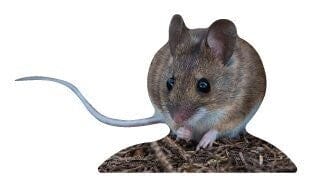
- Special features: Small to medium sized mouse with grey-brown fur, lighter belly, large round ears, long tail, dark eyes.
-
Habitat and distribution
- Common regions: Europe, North Africa, parts of Asia
- Habitat: Diverse, from deciduous and coniferous forests to hedges and bushes to gardens and fields.
-
Nutrition
- Diet: Omnivorous
- Typical food: seeds, fruits, nuts, insects, worms, bird eggs, small vertebrates.
-
Reproduction and lifestyle
- Breeding season: spring to autumn
- Litter size: 4-7 young per litter
- Nest building: In burrows, under tree roots or in dense vegetation
- Social structure: Mostly solitary, but also in colonies in suitable habitats.
-
Lifespan and protection status
- Life expectancy: Up to 2 years in the wild
- Threat status: Not threatened, but habitat loss and hunting by predators may affect local populations.
- Protective measures: preservation and protection of natural habitats, avoidance of pesticide use in agriculture.
-
So groß ist die Maus wirklich
Zu den Aufstellern- Waldmaus: 10 × 5 cm
- Waldmaus Spieß: 10 × 5 cm
- Haselmaus: 14 × 9 cm
Maße der lebensgroßen Aufsteller (Breite × Höhe), gedruckt im Maßstab 1:1.