
Deer
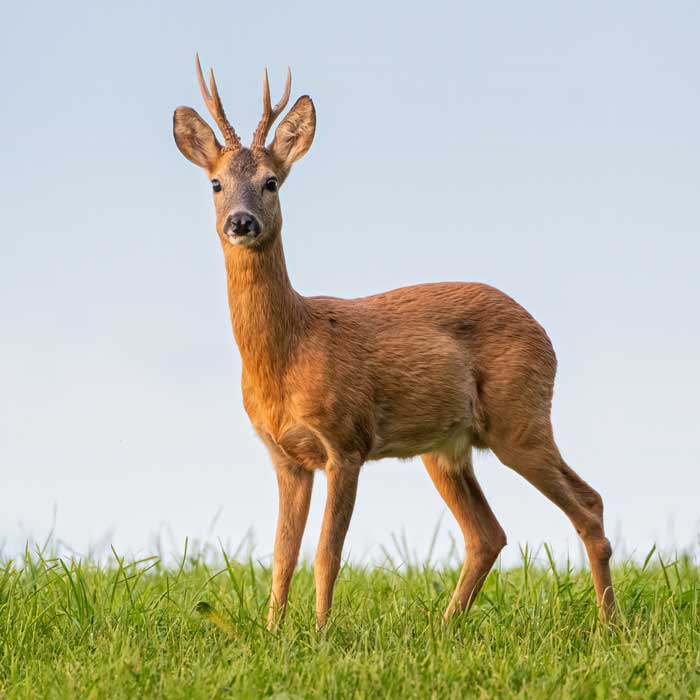
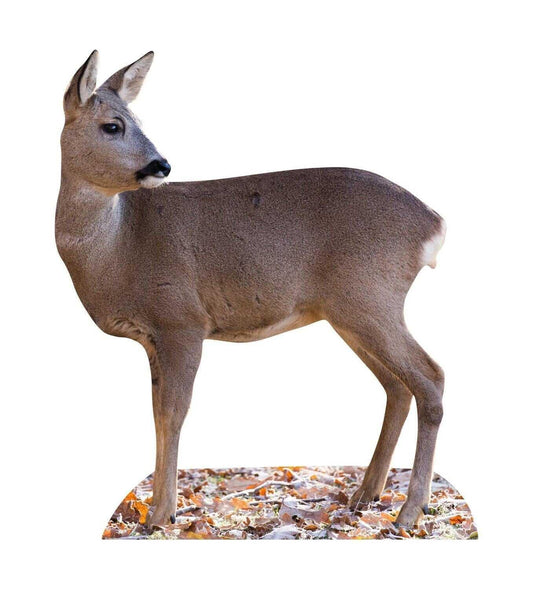
Roe deer reach a body length of 95 to 140 cm and weigh 15 to 30 kg. As herbivores, roe deer eat grasses, herbs, leaves, shoots, buds, fruits, acorns, and other mast. Their life expectancy is up to 16 years.
Deer for Garden, Nature Trail & Education
-
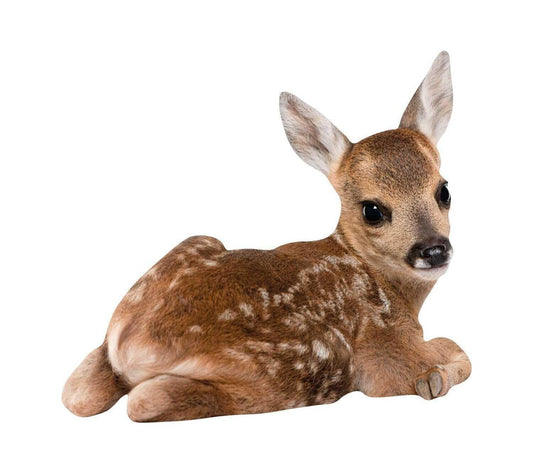
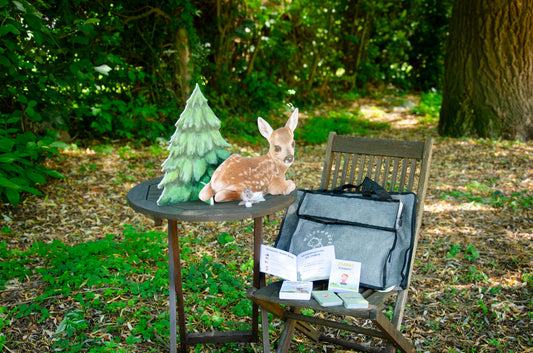
Animal display fawn
Regular price From 32,90€Regular priceUnit price per -
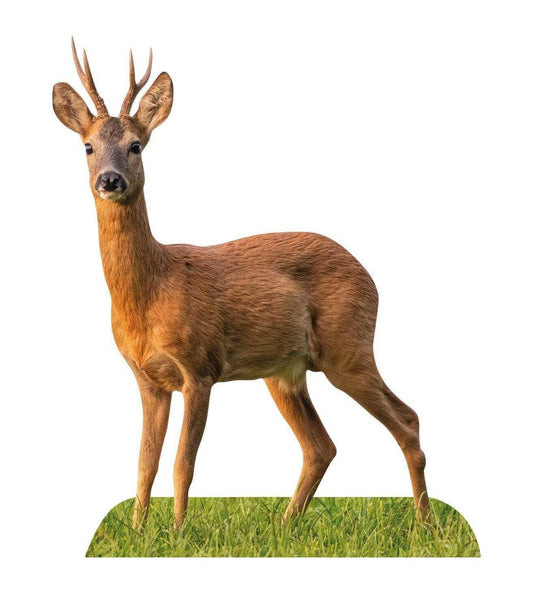
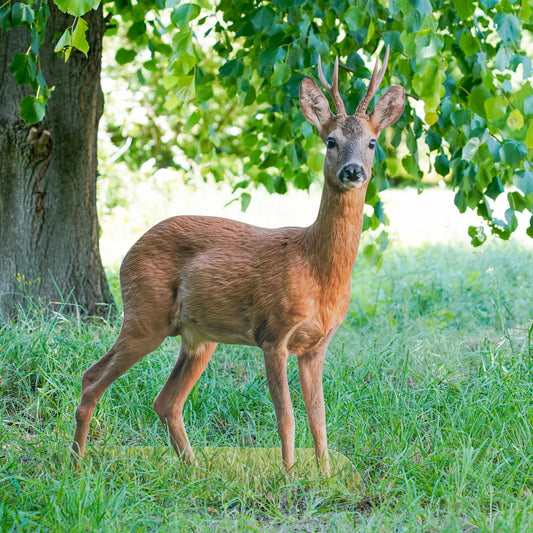
Animal display roebuck
Regular price From 131,90€Regular priceUnit price per -
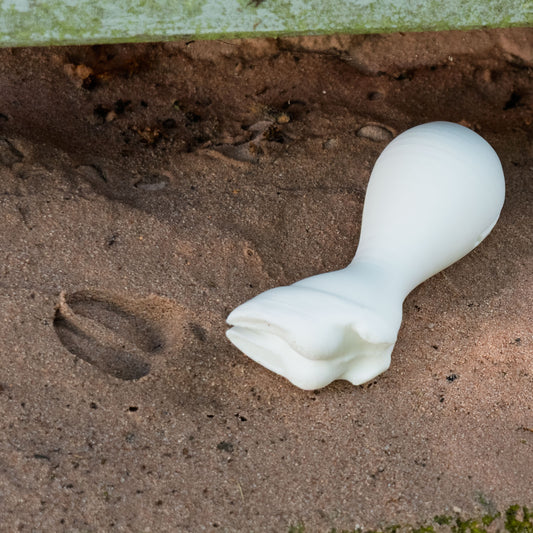
Life-size deer foot stamp
Regular price 159,90€Regular priceUnit price per -
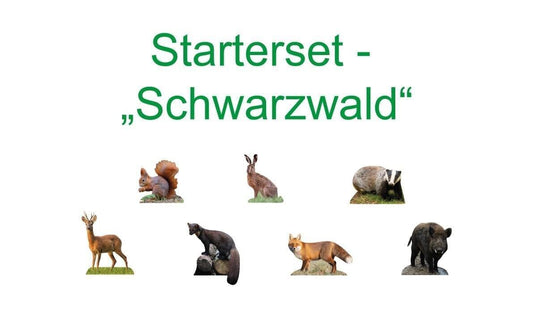
Starter set - "Black Forest"
Regular price From 465,90€Regular priceUnit price per -
Roe Deer Track Stamp - Life-size Roe Deer Hoof
Regular price 12,90€Regular priceUnit price per -
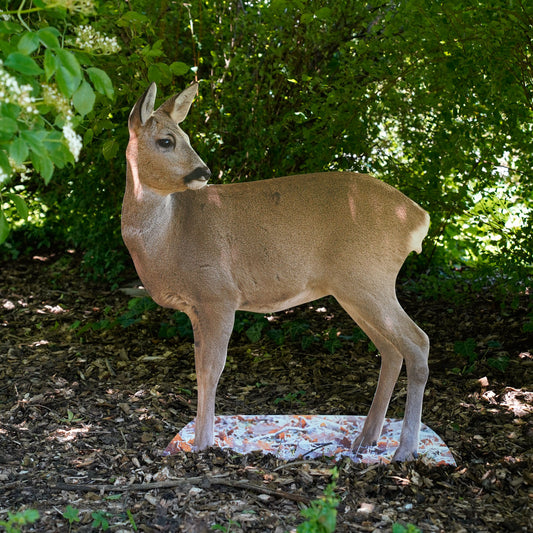
Animal standee deer
Regular price From 120,90€Regular priceUnit price per -
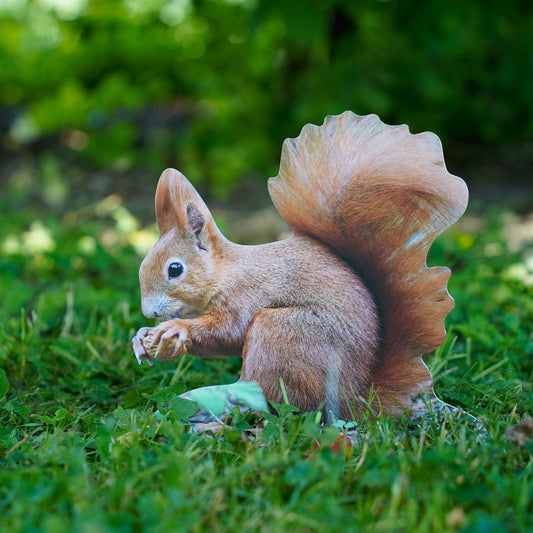
Animal set - forest animals
Regular price 385,90€Regular priceUnit price per -
Animal display roebuck - outdoor set
Regular price 155,30€Regular priceUnit price per -
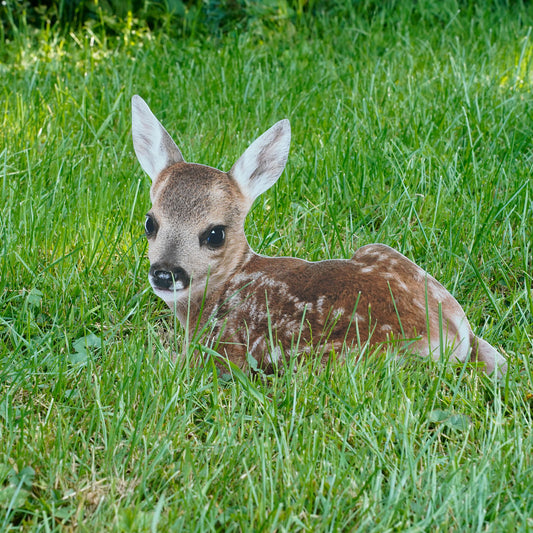
Animal display fawn - outdoor set
Regular price 48,50€Regular priceUnit price per -
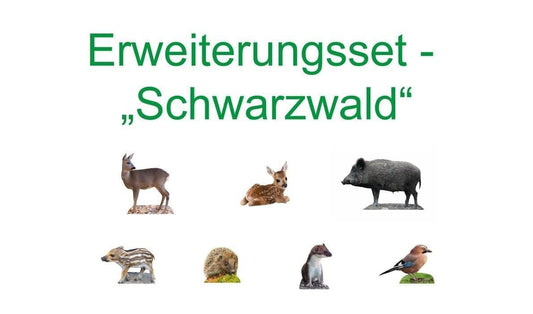
Extension set - "Black Forest"
Regular price From 337,90€Regular priceUnit price per -
Animal display doe - outdoor set
Regular price 144,30€Regular priceUnit price per -
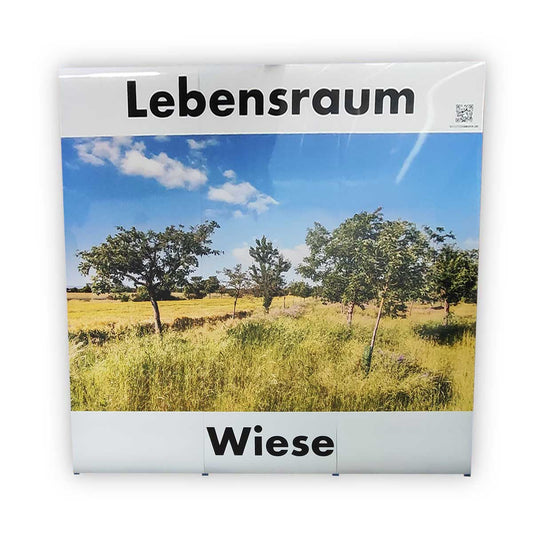
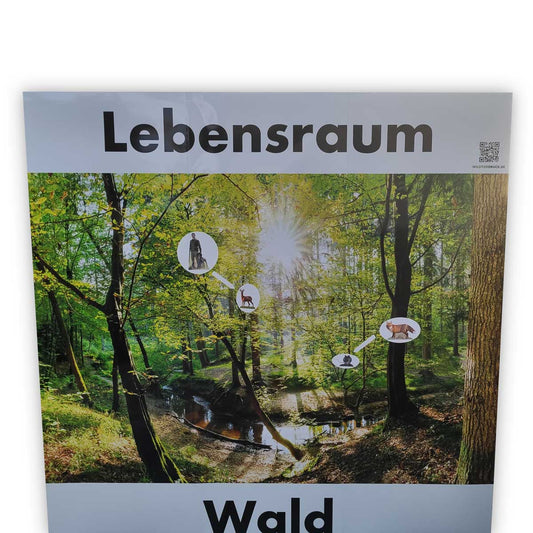
Pop-Up Wall "Forest Habitat"
Regular price 330,00€Regular priceUnit price per -
YogaKitz – Wild Knowledge in Motion
Regular price 139,95€Regular priceUnit price per -
Pop-Up Wall "Forest Habitat"
Regular price From 1.320,00€Regular priceUnit price per







From fact sheet to the real thing – discover our products on the subject of Deer.
Discover now