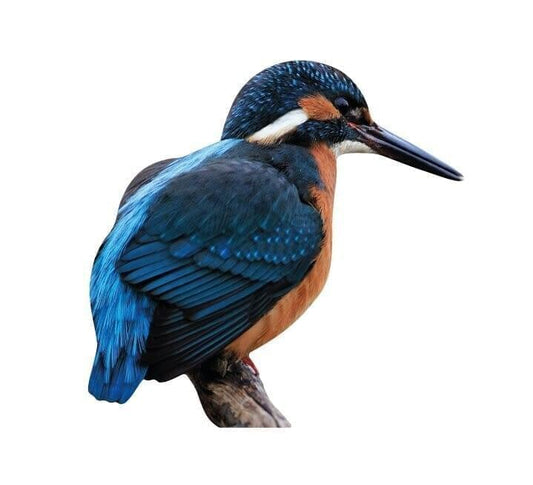
kingfisher
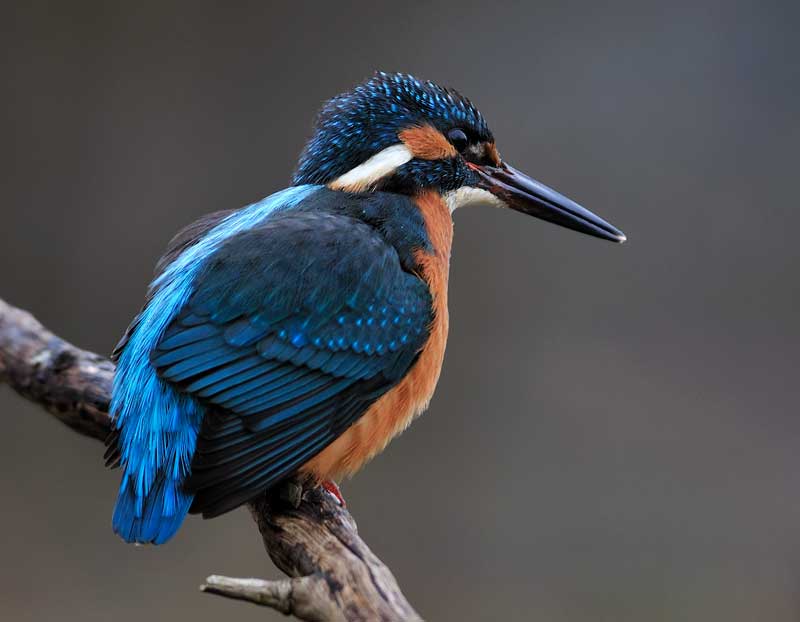
Known for its vibrant colors and specialized diet, the kingfisher is a distinctive inhabitant of aquatic habitats. This fact sheet provides a detailed overview of the kingfisher's biology and ecology and emphasizes the importance of protecting its habitats and food sources.
The kingfisher measures 24 to 26 cm in wingspan and weighs 30 to 45 g. Its diet consists of small fish, but also aquatic insects and their larvae. Its life expectancy is up to 6 years.
Kingfisher for garden, nature trail & teaching
-
Animal display kingfisher
1 reviewRegular price From 13,90€Regular priceUnit price / perSale price From 13,90€ -
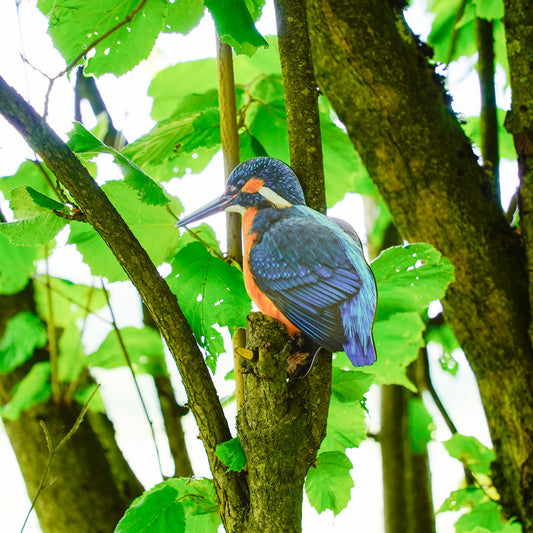
Animal stand kingfisher - outdoor set
No reviewsRegular price 19,30€Regular priceUnit price / perSale price 19,30€ -
Animal set - forest birds
Regular price 348,90€Regular priceUnit price / per369,90€Sale price 348,90€Sale
Profile: kingfisher
-
Scientific classification
- Class: Aves (birds)
- Order: Coraciiformes (Kingfishers)
- Family: Alcedinidae (Kingfishers)
- Genus: Alcedo
- Species: A. atthis (Kingfisher)
-
Physical characteristics
- Size: Body length of 16-17 cm
- Wingspan: 24-26 cm
- Weight: 30-45 g
- Special features: Striking, bright plumage in blue and orange, short, straight beak, short tail.
-
Habitat and distribution
- Common regions: Europe, Asia, North Africa
- Habitat: Banks of slow-flowing or standing waters such as rivers, streams, ponds and lakes; requires steep bank walls for the construction of breeding tubes.
- Adaptability: Relatively specialized to aquatic habitats, therefore strongly dependent on the availability of suitable waters.
-
Nutrition
- Diet: Piscivore
- Typical food: Small fish, but also aquatic insects and their larvae.
-
Reproduction and lifestyle
- Breeding season: spring to summer
- Nest type: breeding tubes dug into steep river banks.
- Number of eggs: 5-7 eggs per clutch
- Incubation period: Approx. 19-21 days
- Social structure: Usually in pairs, territorial during the breeding season.
-
Lifespan and protection status
- Life expectancy: Up to 6 years in the wild
- Endangered status: Endangered due to habitat loss and water pollution; however, conservation measures are being taken to maintain populations.
- Protection measures: preservation and restoration of natural river banks and water bodies, reduction of water pollution and habitat disturbance.
-
This is how big the kingfisher really is
To the exhibitors- Kingfisher: 13 × 14 cm
Dimensions of the life-size standees (width × height), printed at a scale of 1:1.
From fact sheet to the real thing – discover our products on the subject of kingfisher.
Discover now