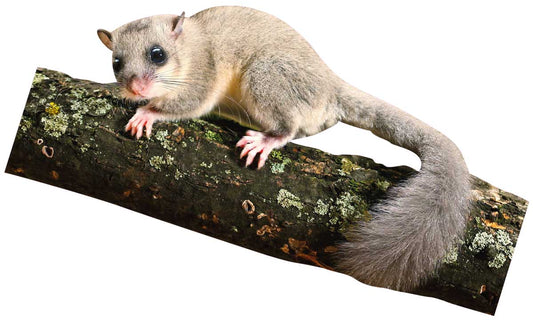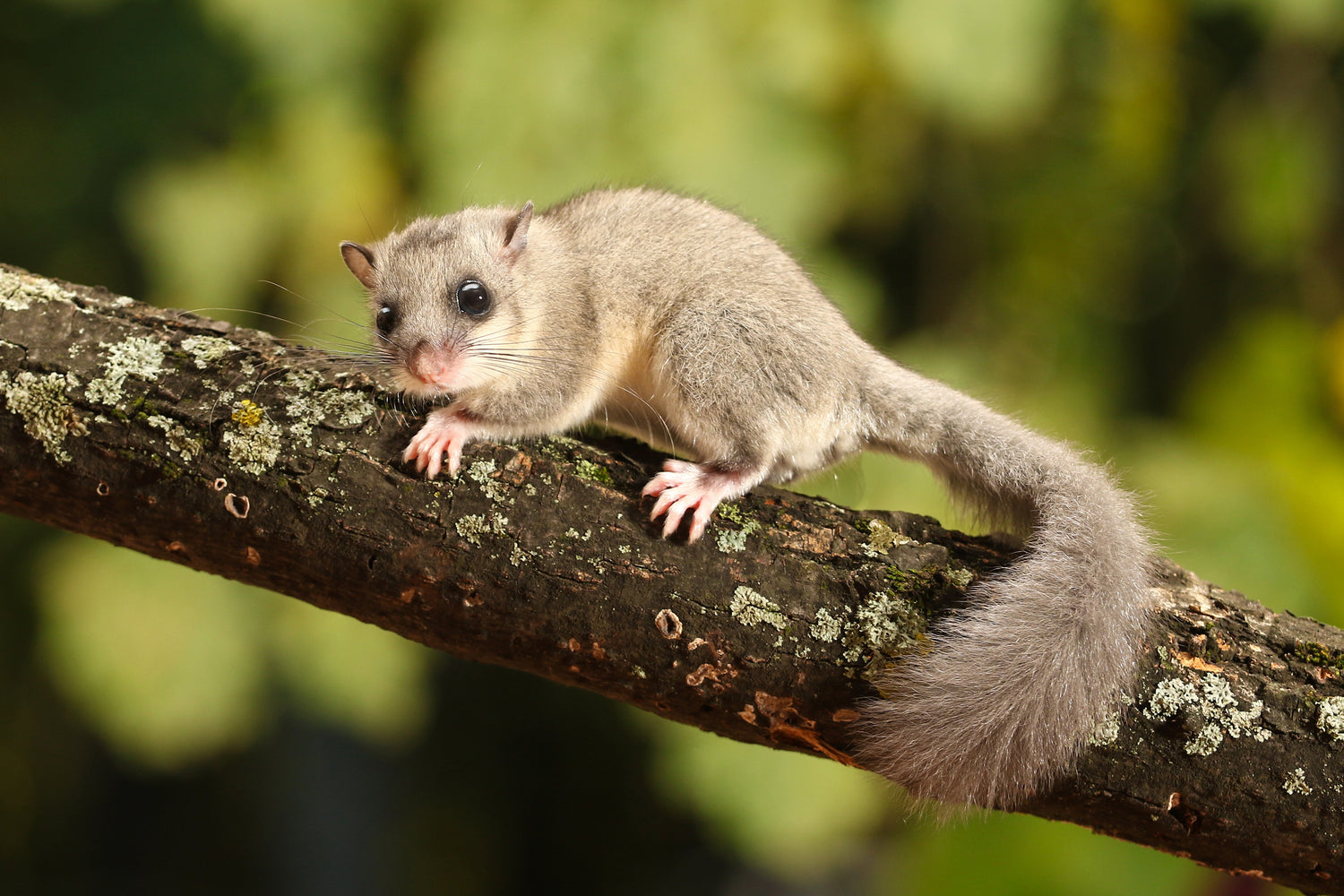
dormouse
The edible dormouse measures 14 to 20 cm in body length and weighs 100 to 150 g. As an omnivore, the dormouse eats nuts, berries, fruits, buds, and insects. Its life expectancy is 5 to 7 years.
dormouse Products
-
Animal display pine marten
No reviewsRegular price From 13,90€Regular priceUnit price / perSale price From 13,90€ -
Animal display pine marten - outdoor set
1 reviewRegular price 21,70€Regular priceUnit price / perSale price 21,70€
Profile: dormouse
-
Scientific classification
- Class: Mammals (Mammalia)
- Order: Rodents (Rodentia)
- Family: Dormice (Gliridae)
- Genus: Glis
- Species: G. glis (dormouse)
-
Physical characteristics
- Size: 14–20 cm body length
- Tail length: 10–17 cm
- Weight: 100–150 g
- Special features: Grey-brown, dense fur, bushy tail, large eyes and ears; known for its ability to hibernate
-
Habitat and distribution
- Common regions: Europe, especially Central Europe
- Habitat: Forests, parks, gardens, attics; prefers old trees with hollows, nesting boxes or hidden shelters
-
Nutrition
- Diet: Omnivore
- Typical food: nuts, berries, fruits, buds, insects, occasionally bird eggs
-
Reproduction and lifestyle
- Mating season: May to June
- Gestation period: Approx. 4–5 weeks
- Litter size: 4–7 young per litter
- Lifestyle: Nocturnal, solitary or in small family groups, known for seven months of hibernation in well-insulated nests
-
Lifespan and protection status
- Life expectancy: 5–7 years in the wild
- Threat status: Least concern; local populations may be affected by habitat loss
- Conservation measures: Preservation of old trees and nesting sites, protection of attics and natural hiding places
-
This is how big the dormouse really is
To the exhibitors- Edible dormouse: 26 × 12 cm
Dimensions of the life-size cut-outs (width × height), printed in a 1:1 scale.