Hedgehog
The hedgehog, a popular and iconic wild animal, plays an important role in many ecosystems as a natural pest controller. This fact sheet provides a detailed overview of the biology and ecology of the hedgehog and highlights the importance of its protection and integration into human habitats.
20 to 30 cm in body length and 500 to 1,500 g – that's what a fully grown hedgehog achieves. Its diet includes beetles, worms, snails, but also fruits, berries, and eggs. The life expectancy is up to 5 years.
Hedgehogs for Garden, Nature Trail & Education
-
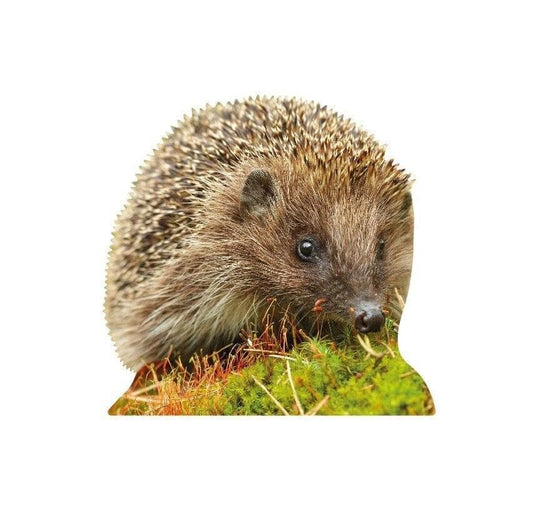
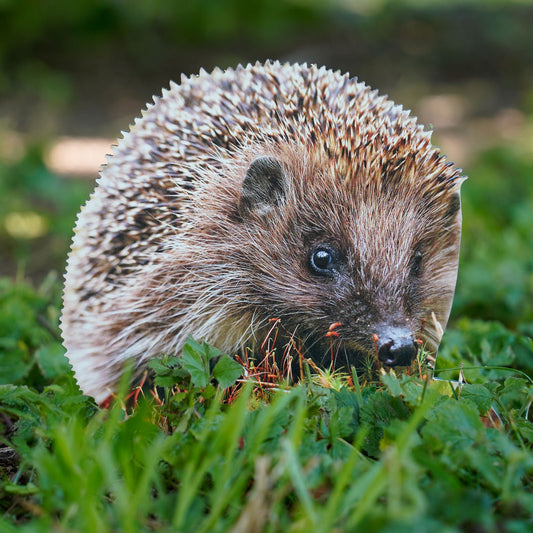
Animal display hedgehog
Regular price From 13,90€Regular priceUnit price / perSale price From 13,90€ -
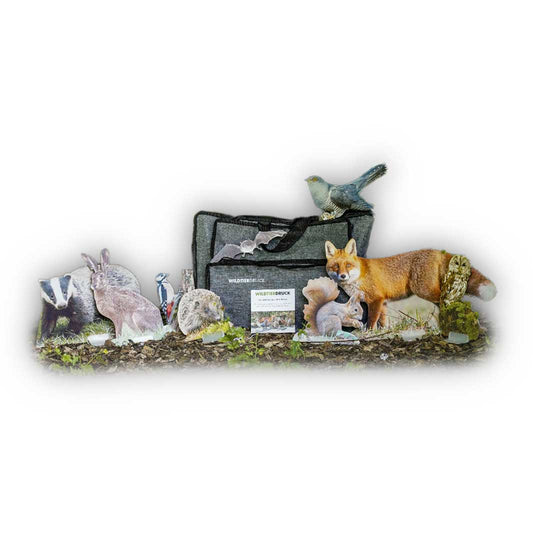
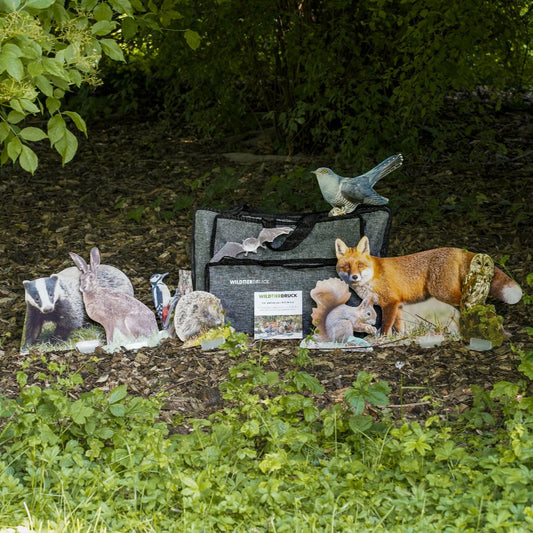
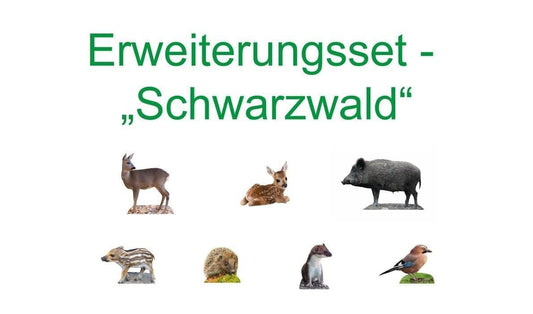
Extension set - "Black Forest"
1 reviewRegular price From 337,90€Regular priceUnit price / perSale price From 337,90€ -
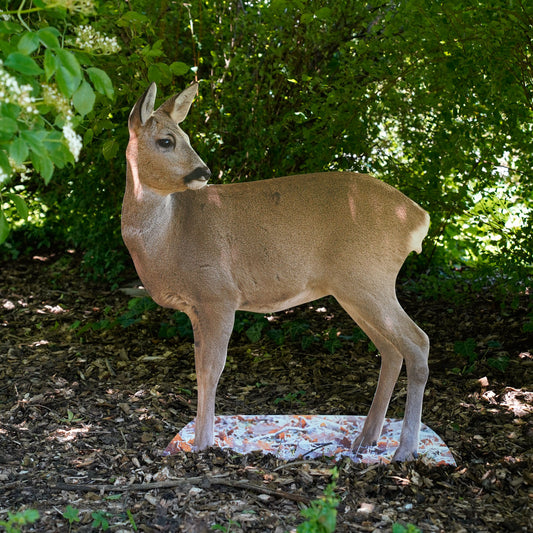
Life-size deer foot stamp
2 reviewsRegular price 217,00€Regular priceUnit price / perSale price 217,00€ -
Animal display hedgehog - outdoor set
No reviewsRegular price 21,70€Regular priceUnit price / perSale price 21,70€ -
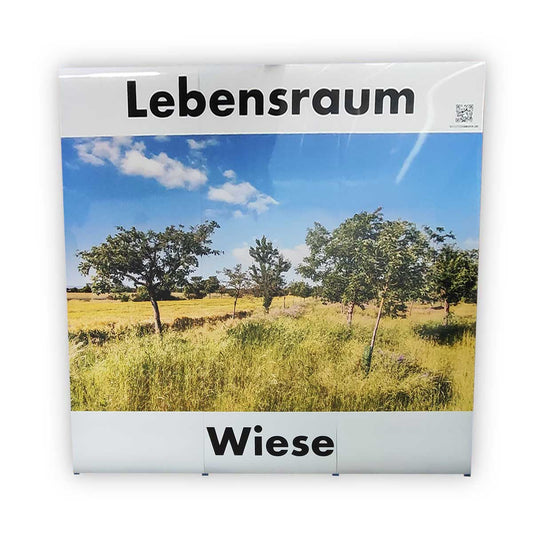
Pop-Up Wall "Forest Habitat"
No reviewsRegular price 330,00€Regular priceUnit price / perSale price 330,00€ -
Pop-Up Wall "Forest Habitat"
No reviewsRegular price From 1.320,00€Regular priceUnit price / perSale price From 1.320,00€ -
Pop-Up Wall "Forest Habitat"
1 reviewRegular price From 1.320,00€Regular priceUnit price / perSale price From 1.320,00€
Profile: Hedgehog
-
Scientific classification
- Class: Mammalia (mammals)
- Order: Eulipotyphla (insectivores)
- Family: Erinaceidae (hedgehogs)
- Genus: Erinaceus
- Example species: Erinaceus europaeus (Western hedgehog)
-
Physical characteristics
- Size: Body length of 20-30 cm
- Weight: 500-1,500 g, depending on age and season
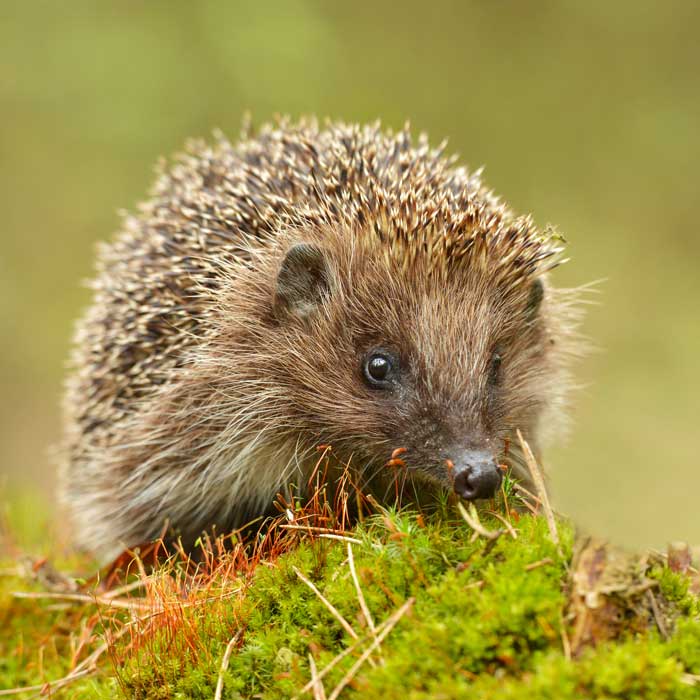
- Special features: Spiky appearance due to numerous spines, pointed snout, short legs, dark eyes, small ears.
-
Habitat and distribution
- Common regions: Europe, Asia, Africa
- Habitat: Diverse, from forests to gardens and parks to urban areas; prefers areas with dense vegetation and shelter.
-
Nutrition
- Diet: Omnivorous with a predominance of insects and invertebrates
- Typical food: beetles, worms, snails, but also fruits, berries, eggs and occasionally small vertebrates.
-
Reproduction and lifestyle
- Mating season: spring to summer
- Gestation period: Approx. 35 days
- Litter size: 3-7 young per litter
- Brood care: Females raise the young alone
- Social structure: Mostly solitary, outside of the mating season.
-
Lifespan and protection status
- Life expectancy: Up to 5 years in the wild
- Threat status: Not threatened, but habitat loss and fragmentation and traffic accidents may affect local populations.
- Protective measures: preservation and protection of habitats, education about the benefits of hedgehogs in the garden, establishment of hedgehog protection zones.
-
How big the hedgehog really is
To the exhibitors- Hedgehog: 19 × 18 cm
Dimensions of the life-size standees (width × height), printed at a 1:1 scale.
From fact sheet to the real thing – discover our products on the subject of Hedgehog.
Discover now