Kestrel
A common bird of prey in open countryside and urban areas, the kestrel is known for its adaptability and hunting skills. This fact sheet provides a detailed overview of the biology and ecology of the kestrel and highlights the importance of its protection and conservation in natural habitats.
68 to 78 cm wingspan and 150 to 300 g – that's the size of a fully grown Kestrel. As a carnivore, the Kestrel preys on small mammals such as mice, but also small birds, insects, and amphibians. Its life expectancy is up to 8 years.
Common Kestrel for Gardens, Nature Trails & Education
-
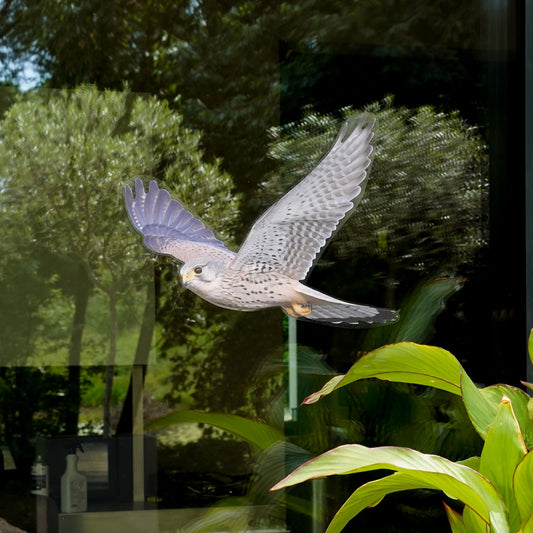
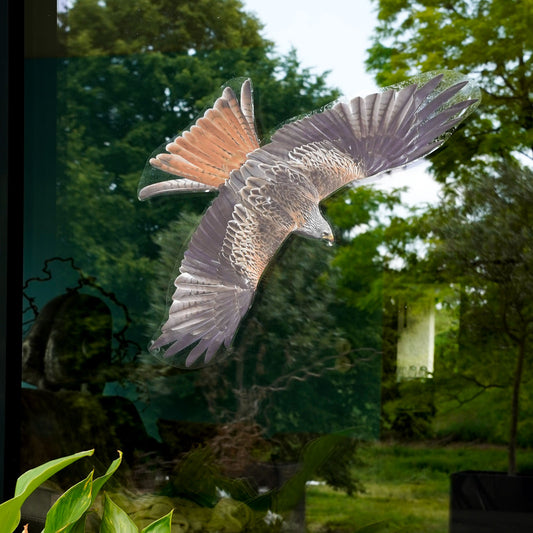
Kestrel - flying (bird protection)
2 reviewsRegular price 10,90€Regular priceUnit price / perSale price 10,90€ -
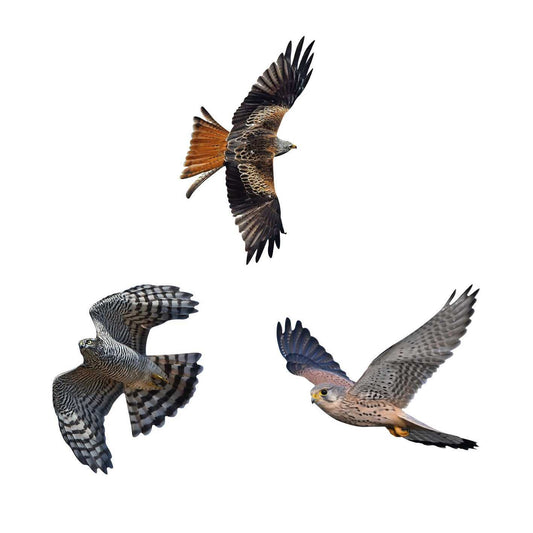
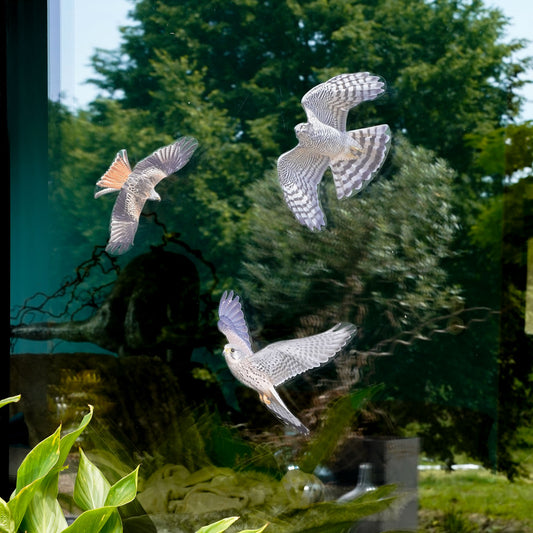
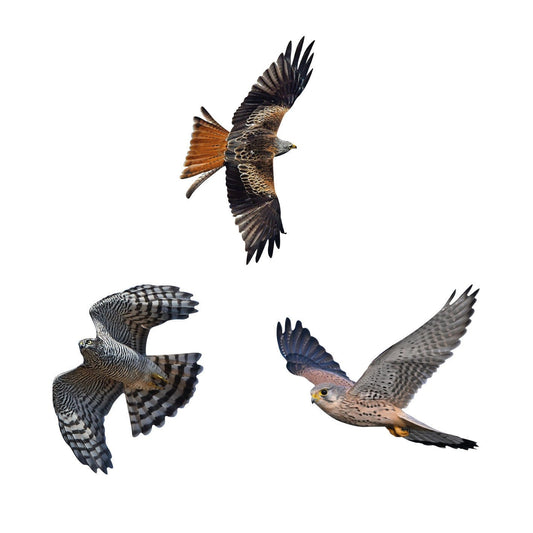
Bird protection set of 3 - small
3 reviewsRegular price 14,90€Regular priceUnit price / perSale price 14,90€ -
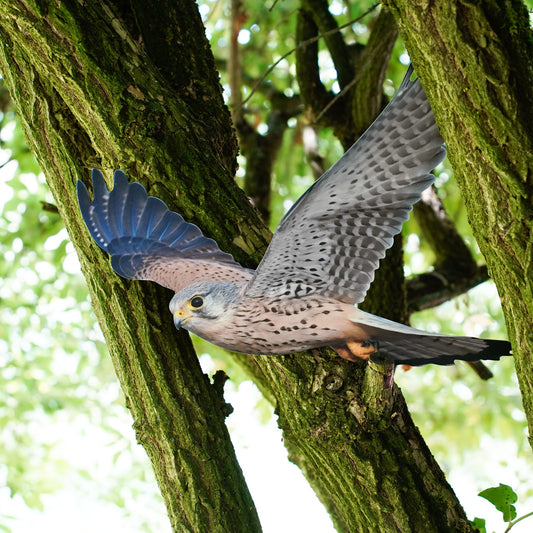
Animal display kestrel - flying
1 reviewRegular price 43,90€Regular priceUnit price / perSale price 43,90€ -
Bird protection set of 3 - large
Regular price 36,90€Regular priceUnit price / perSale price 36,90€ -
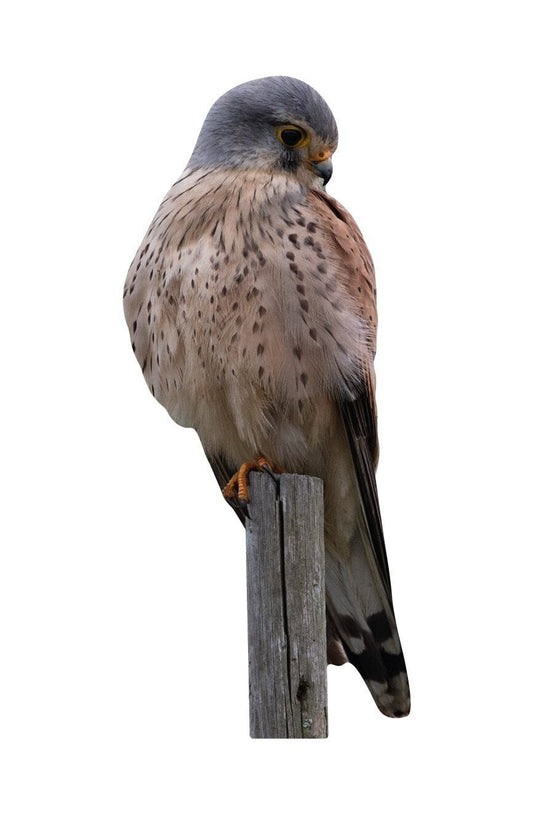
Animal display kestrel - sitting
3 reviewsRegular price From 21,90€Regular priceUnit price / perSale price From 21,90€ -
Animal display kestrel - flying - outdoor set
No reviewsRegular price 49,30€Regular priceUnit price / perSale price 49,30€ -
Animal display kestrel - sitting - outdoor set
No reviewsRegular price 27,30€Regular priceUnit price / perSale price 27,30€
Profile: Kestrel
-
Scientific classification
- Class: Aves (birds)
- Order: Falconiformes (falcon-like birds)
- Family: Falconidae (falcons)
- Genus: Falco
- Species: F. tinnunculus (kestrel)
-
Physical characteristics
- Size: Body length of 34-38 cm
- Wingspan: 68-78 cm
- Weight: 150-300 g
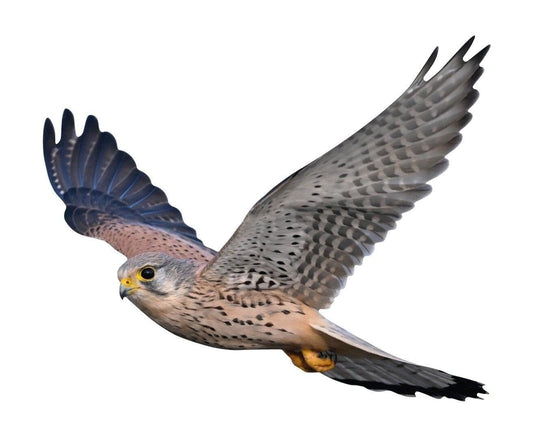
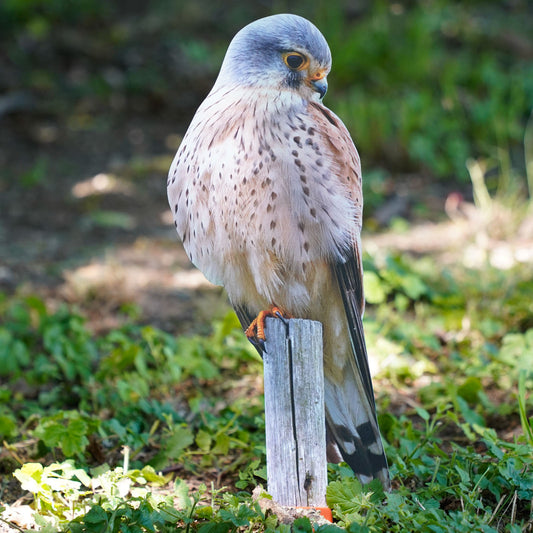
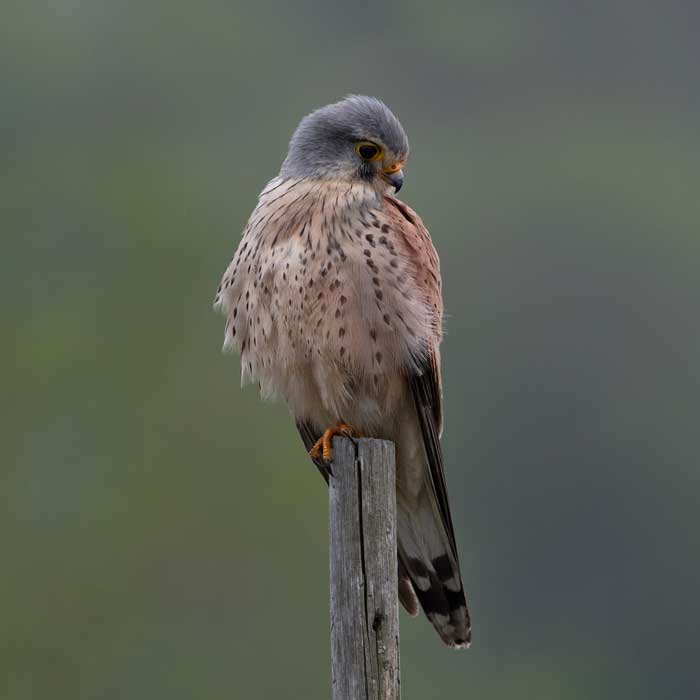
- Special features: Small bird of prey with long, pointed wings and a long tail, blue-grey on top with black spots, cream-white underneath with dark longitudinal stripes, reddish-brown head with dark bridle stripe.
-
Habitat and distribution
- Common regions: Europe, North Africa, Asia
- Habitat: Diverse, from open landscapes such as fields, meadows and heaths to urban areas with tall buildings and towers.
-
Nutrition
- Diet: Carnivore
- Typical food: small mammals such as mice, but also small birds, insects and amphibians.
-
Reproduction and lifestyle
- Breeding season: spring to summer
- Nest building: In rock crevices, tree hollows, nesting boxes or on buildings such as church towers
- Egg laying: 3-6 eggs per clutch
- Brood care: Both parents participate in the breeding and feeding of the young
- Social structure: Mostly in pairs or small family groups.
-
Lifespan and protection status
- Life expectancy: Up to 8 years in the wild
- Threat status: Not threatened, but habitat loss, pesticide use and loss of nesting sites may affect local populations.
- Protection measures: preservation and protection of habitats, promotion of nesting aids, reduction of pesticide use.
-
How big the Kestrel really is
To the exhibitors- Common Kestrel - flying: 39 × 32 cm
- Common Kestrel - perched: 16 × 38 cm
Dimensions of the life-size cutouts (width × height), printed to a 1:1 scale.
Vom Steckbrief zum Original – entdecke unsere Produkte rund um das Thema Kestrel.
Jetzt entdecken