cuckoo

Known for its parasitic breeding behaviour and distinctive call, the cuckoo is a fascinating bird species with a wide distribution. This fact sheet provides a detailed overview of the biology and ecology of the cuckoo and highlights the importance of its protection and conservation in natural and human habitats.

Known for its parasitic breeding behaviour and distinctive call, the cuckoo is a fascinating bird species with a wide distribution. This fact sheet provides a detailed overview of the biology and ecology of the cuckoo and highlights the importance of its protection and conservation in natural and human habitats.

  • Scientific classification

    • Class: Aves (birds)
    • Order: Cuculiformes (cuckoo birds)
    • Family: Cuculidae (cuckoos)
    • Genus: Cuculus
    • Species: C. canorus (Cuckoo)
  • Physical characteristics

    • Size: Body length of 32-34 cm
    • Weight: 90-130 g
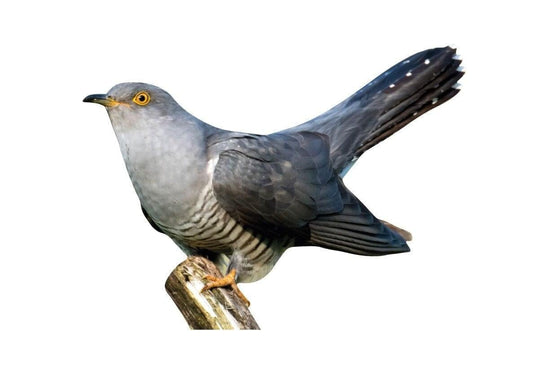
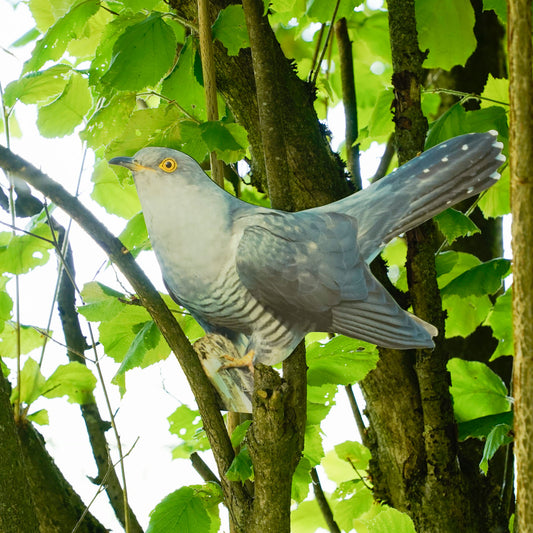
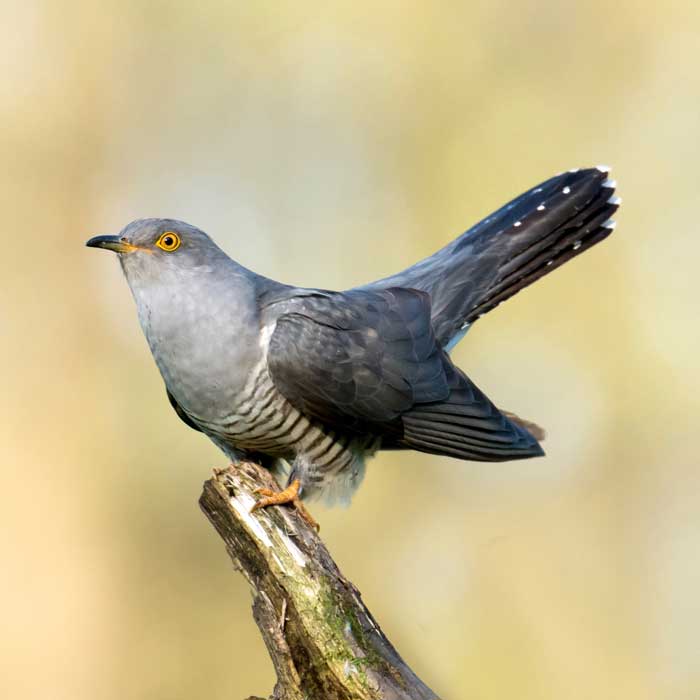
    • Special features: Long-tailed body, grey-brown plumage with dark horizontal stripes, distinctive light eye ring, striking call.
  • Habitat and distribution

    • Common regions: Europe, Asia, Africa
    • Habitat: Diverse, from forests to open landscapes to gardens and parks; prefers areas with dense vegetation and abundant food.
  • Nutrition

    • Diet: Insectivore
    • Typical food: mostly caterpillars, beetles, grasshoppers and other insects, occasionally also small vertebrates and eggs.
  • Reproduction and lifestyle

    • Breeding season: spring to summer
    • Brood parasitism: Female cuckoos lay their eggs in the nests of other bird species in order to take over brood care.
    • Nestling phase: Cuckoo chicks throw the eggs of the host birds out of the nest and are raised by them.
    • Social structure: Mostly solitary outside the breeding season.
  • Lifespan and protection status

    • Life expectancy: Up to 6 years in the wild
    • Threat status: Not threatened, but habitat loss and fragmentation and declines in host bird species may affect local populations.
    • Conservation measures: Preservation and protection of habitats with suitable breeding sites and food sources, monitoring and research on the population situation.
  • This is how big the cuckoo really is

    • Cuckoo: 34 × 25 cm

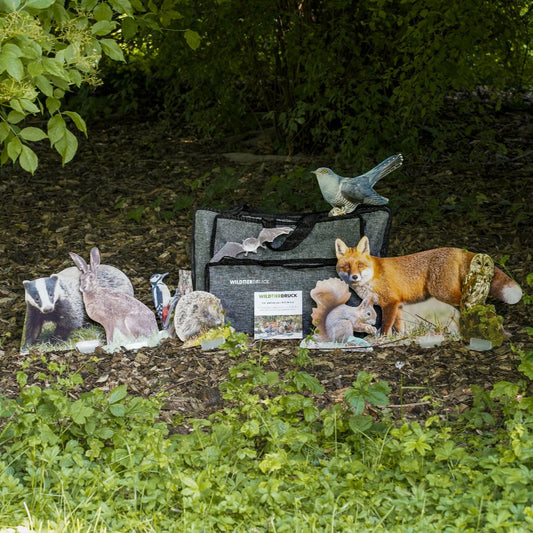
    Dimensions of the life-size standees (width × height), printed at a 1:1 scale.

    To the exhibitors