songbirds

Songbirds, a highly diverse and widely distributed group of birds, are an essential part of many ecosystems. This fact sheet provides a detailed overview of the biology and habits of songbirds and highlights the importance of their protection and conservation in various habitats.

As omnivores, songbirds eat seeds, berries, insects, and nectar. Their life expectancy is 3 to 5 years.

  • Scientific classification

    • Class: Birds (Aves)
    • Order: Passeriformes (songbirds)
    • Family: Various families, including finches (Fringillidae), thrushes (Turdidae), sparrows (Passeridae) and many more
    • Genus: Different genera depending on family and species
  • Physical characteristics

    • Size: Body length varies from 8 cm to 30 cm, depending on the species
    • Weight: 10-50 g
    • Special features: Songbirds are characterized by their well-developed larynx and their ability to sing complex songs. They usually have small, slender bodies and relatively long wings.
  • Habitat and distribution

    • Common regions: Worldwide, except in extreme polar regions and high mountains
    • Habitat: Diverse, from forests, meadows, gardens, fields to urban areas and tropical rainforests.
  • Nutrition

    • Diet: Omnivorous or specialized feeders (depending on the species)
    • Typical food: seeds, berries, insects, nectar, but also small vertebrates such as snakes or young birds of prey.
  • Reproduction and lifestyle

    • Mating season: spring and summer
    • Breeding behavior: Nest builders; nests are built from grass, twigs, feathers and other materials
    • Eggs: 2-8 eggs per clutch
    • Reproduction: Both parents usually participate in raising the young
    • Lifestyle: Social, some species are solitary or form large groups, especially during migration.
  • Lifespan and protection status

    • Life expectancy: 3-5 years, but many songbirds have a short lifespan in the wild
    • Endangered status: Some species are threatened by habitat loss, climate change and pollution, but many are not endangered and are common.
    • Conservation measures: conservation of habitats, protection of food sources and breeding grounds, creation of protected areas and education about the importance of songbirds for the environment.
  • How big songbirds really are

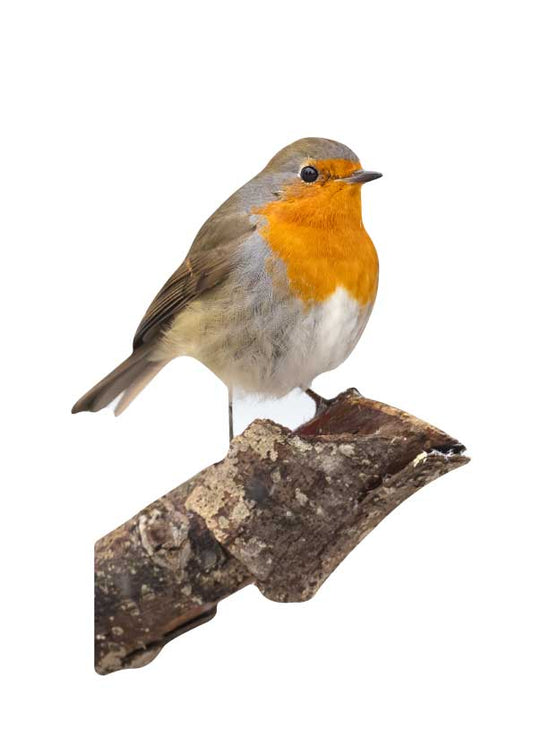
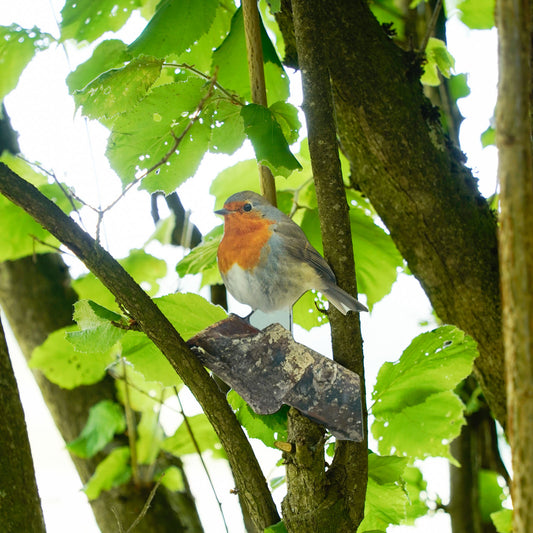
    • Robin: 16 × 14 cm
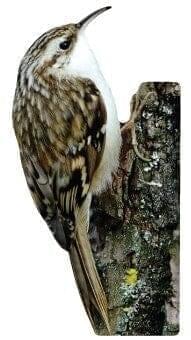
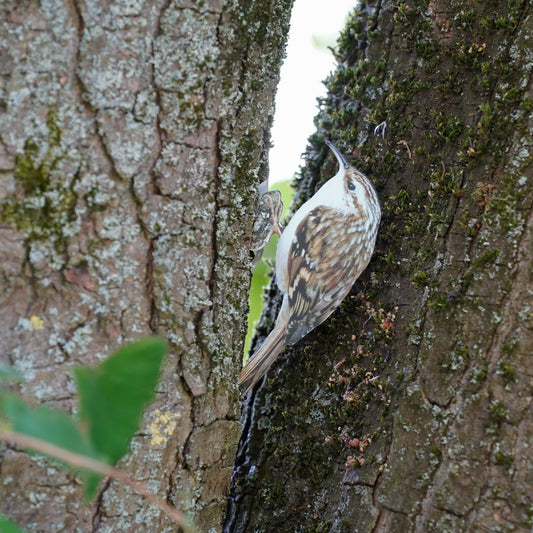
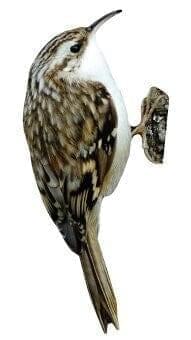
    • Short-toed treecreeper with trunk: 5 × 11 cm
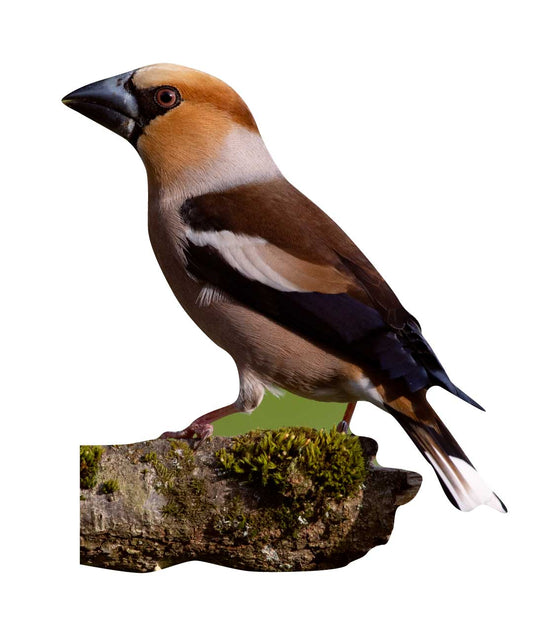
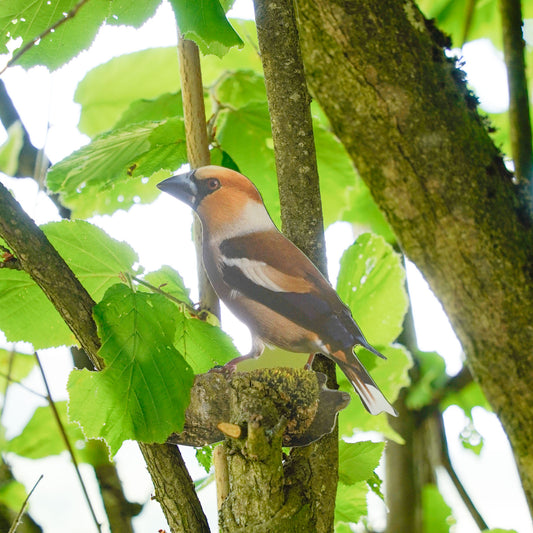
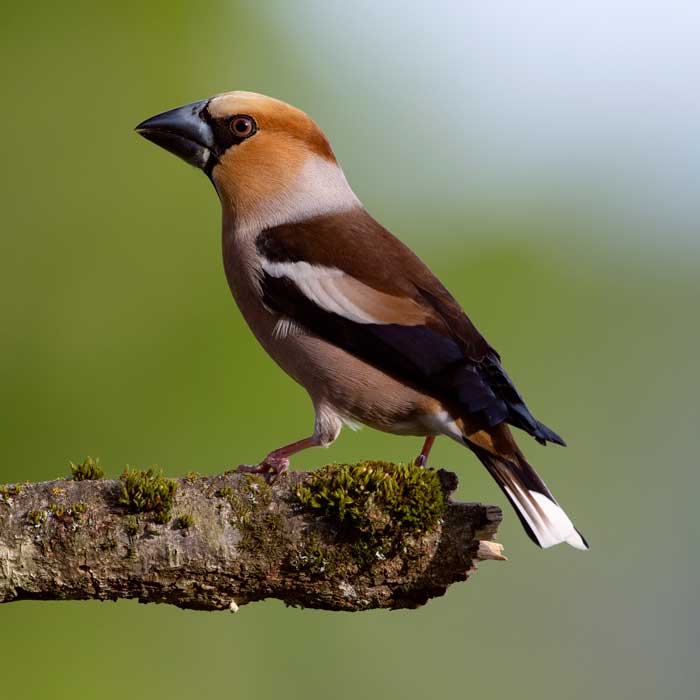
    • Hawfinch: 10 × 12 cm
    • Short-toed treecreeper: 5 × 11 cm

    Dimensions of the life-sized cutouts (width × height), printed at a 1:1 scale.

    To the exhibitors 

Vom Steckbrief zum Original – entdecke unsere Produkte rund um das Thema songbirds.

Jetzt entdecken