
Martens
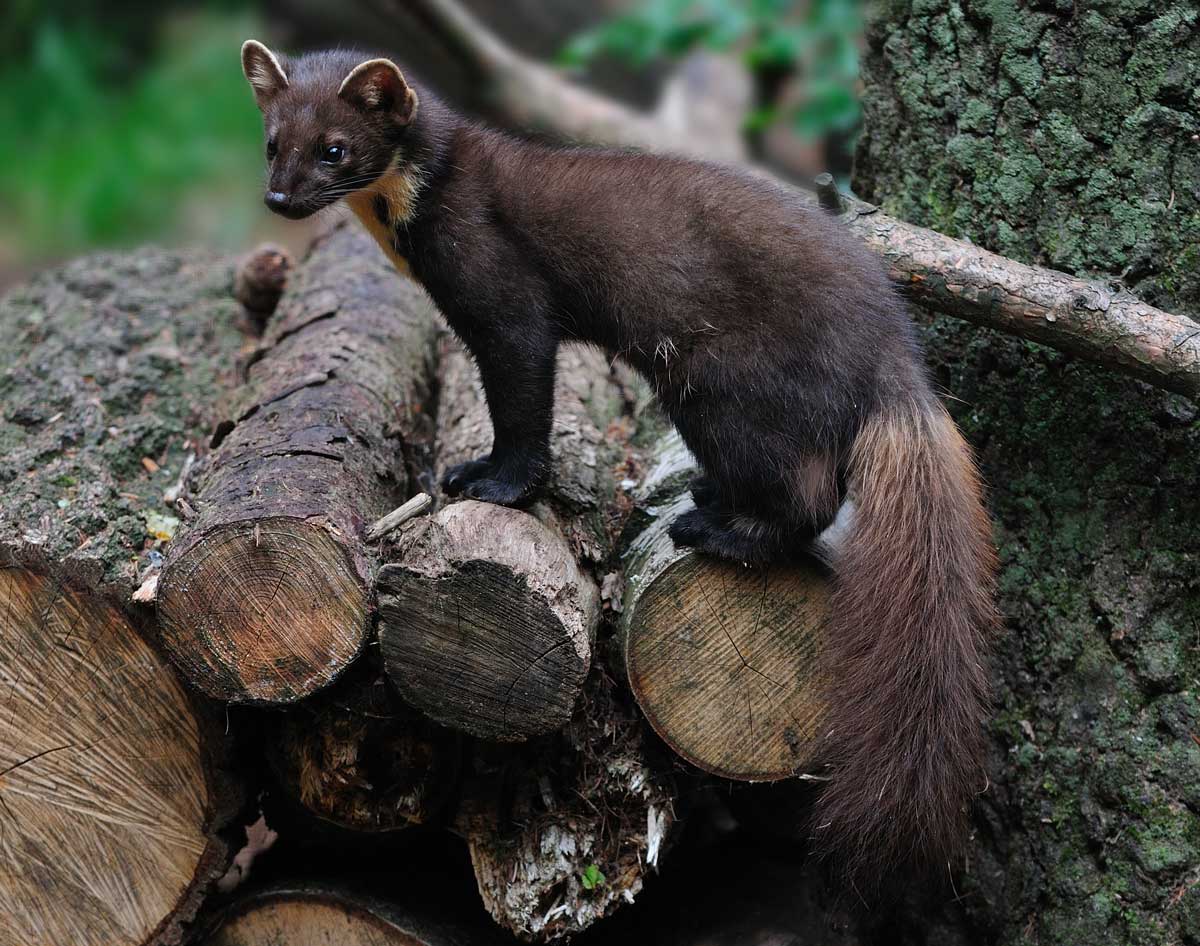
30 to 70 cm in body length and 0.5 to 2 kg – that's what a fully grown marten achieves. As an omnivore, the marten eats small mammals such as mice, birds, insects, but also fruits, berries, and nuts. Its life expectancy is up to 10 years.
Martens for Garden, Nature Trail & Education
-
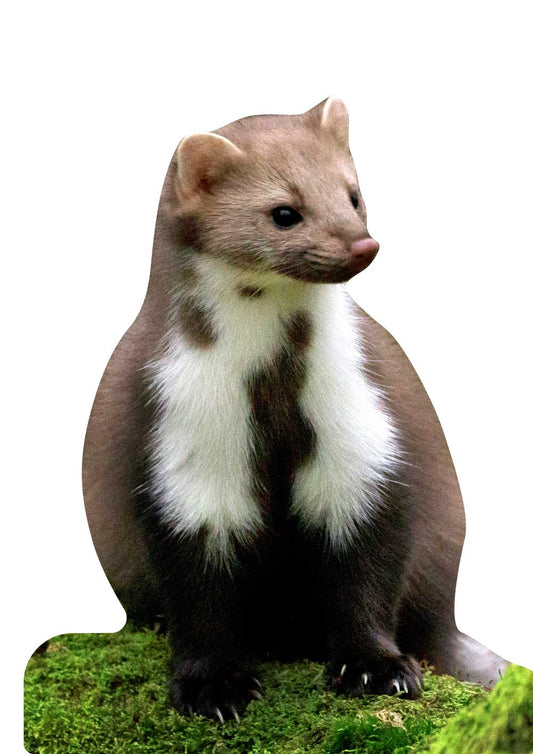
Animal display pine marten
Regular price From 54,90€Regular priceUnit price per -
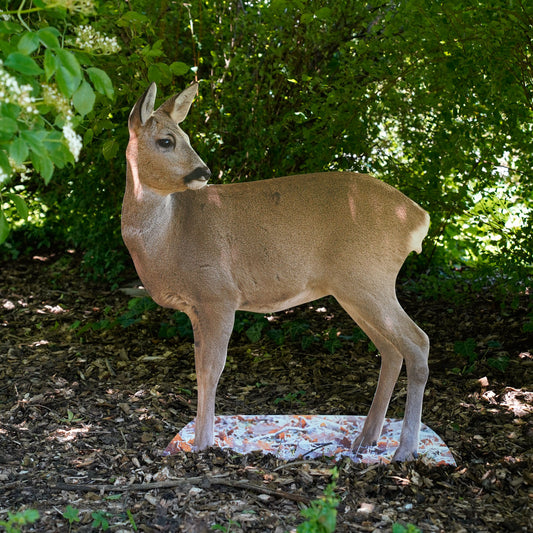
Animal set - forest animals
Regular price 385,90€Regular priceUnit price per -
Animal Display Weasel
Regular price 9,90€Regular priceUnit price per -
Animal display pine marten
Regular price From 32,90€Regular priceUnit price per -
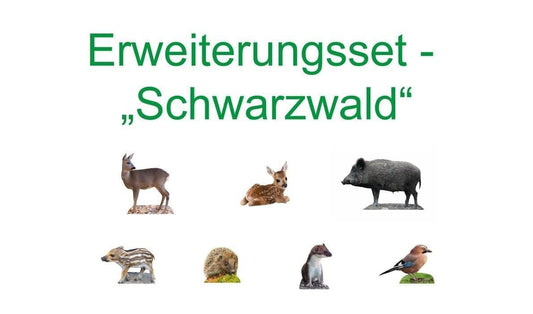
Extension set - "Black Forest"
Regular price From 337,90€Regular priceUnit price per -
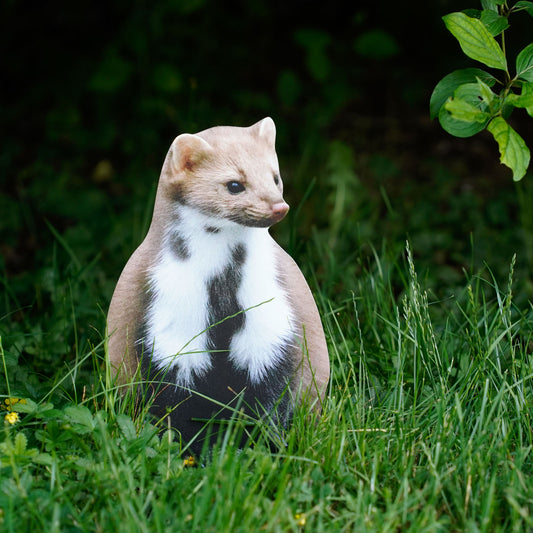
Animal display pine marten - outdoor set
Regular price 62,50€Regular priceUnit price per -
Animal display weasel - outdoor set
Regular price 10,90€Regular priceUnit price per -
Animal display pine marten - outdoor set
Regular price 40,70€Regular priceUnit price per -

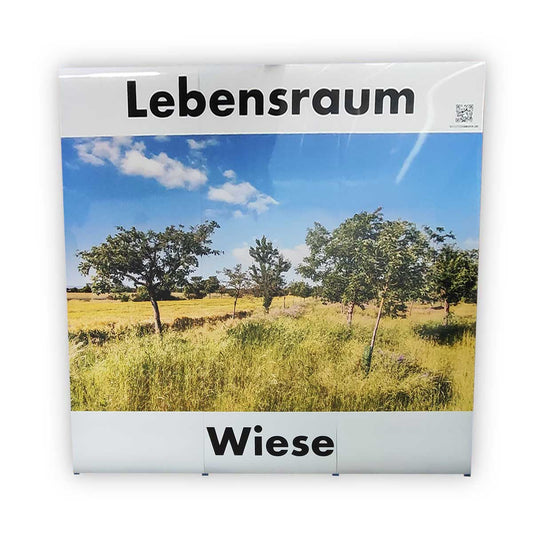 Sold out
Pop-Up Wall "Forest Habitat"
Regular price 330,00€Regular priceUnit price per -
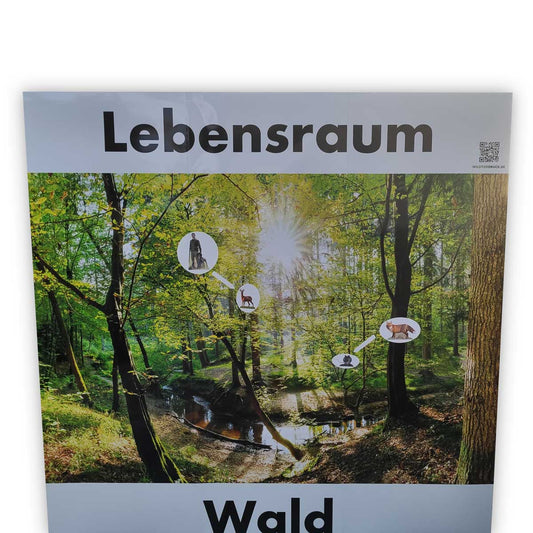 Sold out
Pop-Up Wall "Forest Habitat"
Regular price From 1.320,00€Regular priceUnit price per
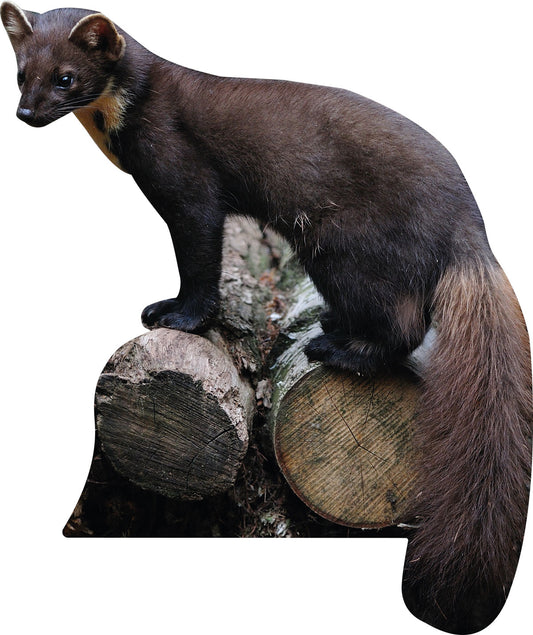
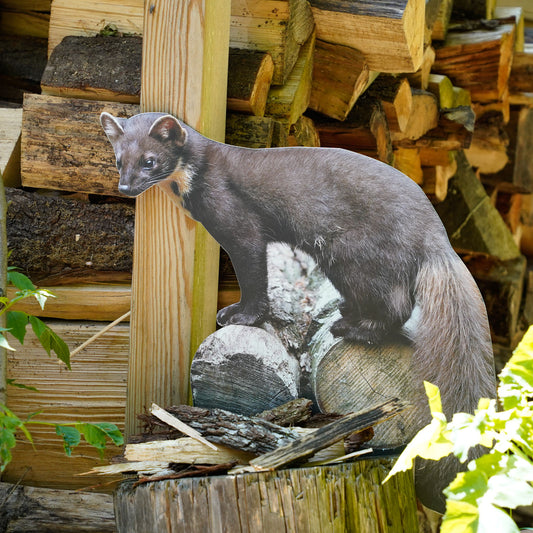

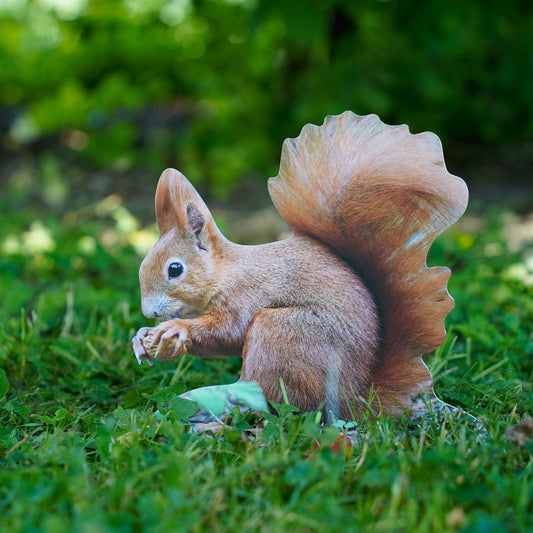
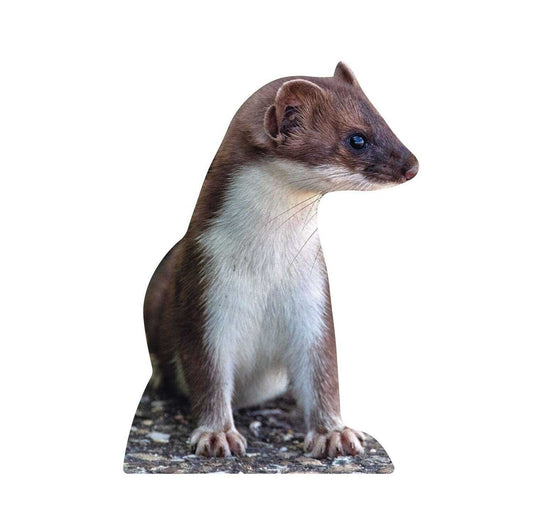
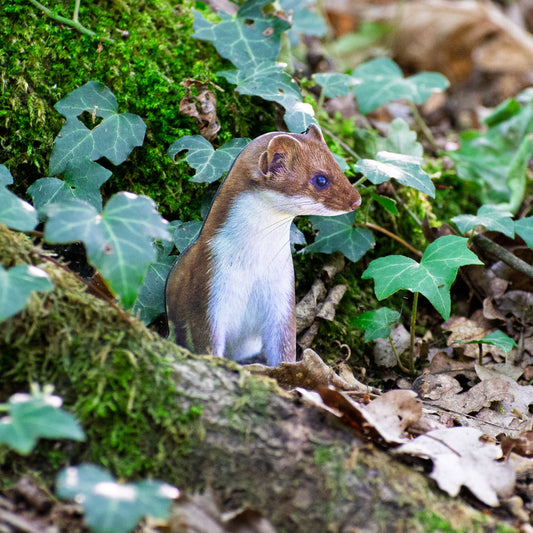


From fact sheet to the real thing – discover our products on the subject of Martens.
Discover now