Red Kite
The majestic red kite, a distinctive bird of prey with a striking appearance and lifestyle, is a symbol of open landscapes and intact ecosystems. This fact sheet provides a detailed overview of the biology and ecology of the red kite and highlights the importance of its protection and conservation in natural habitats.
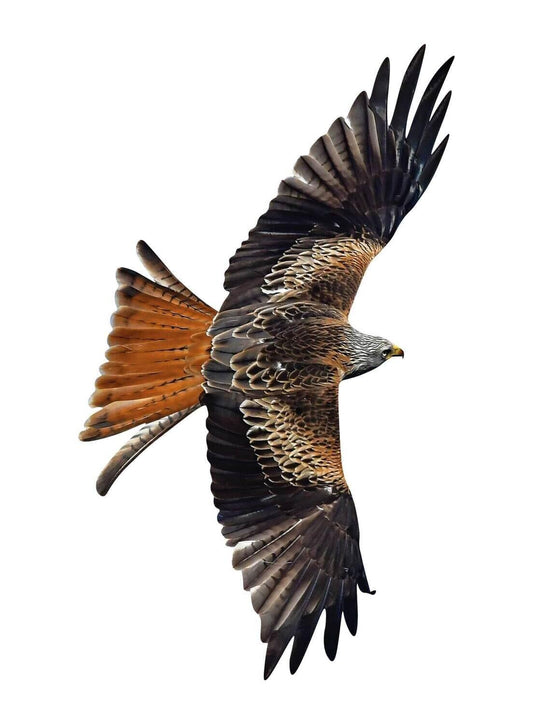
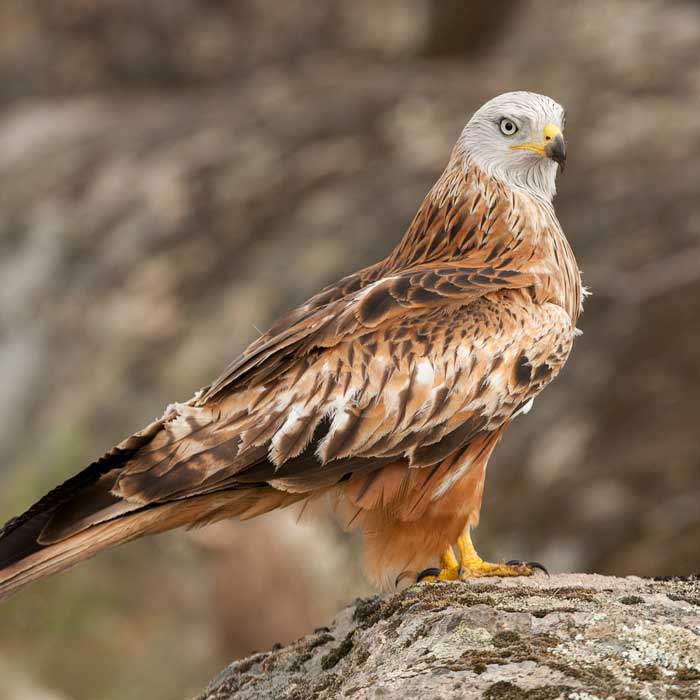
150 to 170 cm wingspan and 800 to 1200 g - that's how large a fully grown red kite gets. Its diet consists of carrion from small to medium-sized mammals, birds, and fish. Its life expectancy is up to 15 years.
Red Kite for Garden, Educational Trail & Lessons
-
Bird protection set of 3 - small
3 reviewsRegular price 14,90€Regular priceUnit price / perSale price 14,90€ -
Bird protection set of 3 - large
Regular price 36,90€Regular priceUnit price / perSale price 36,90€ -
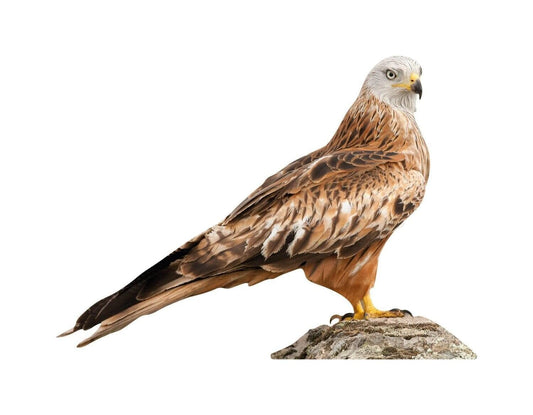
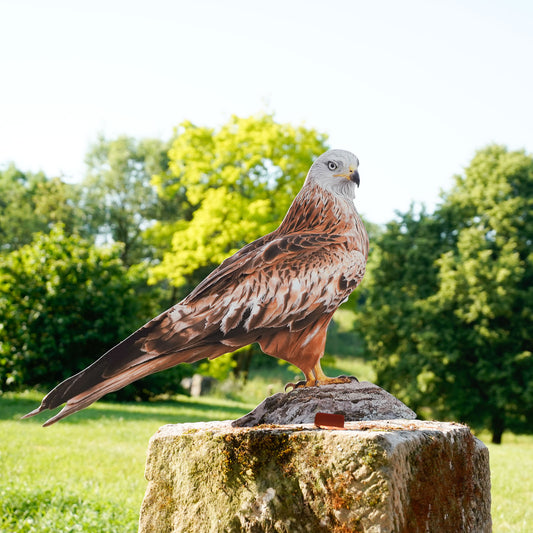
Animal display red kite - sitting
Regular price From 54,90€Regular priceUnit price / perSale price From 54,90€ -
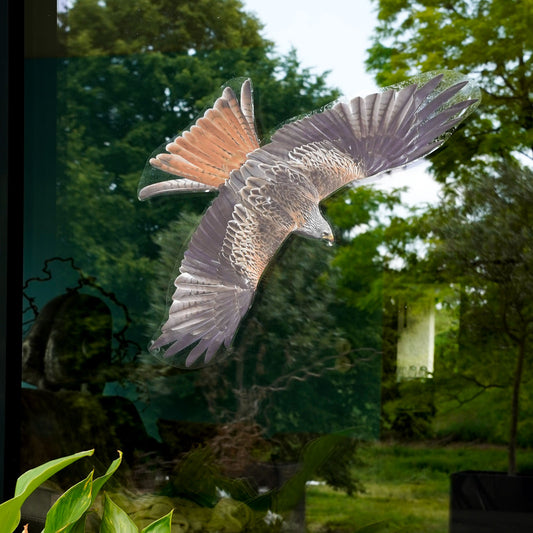
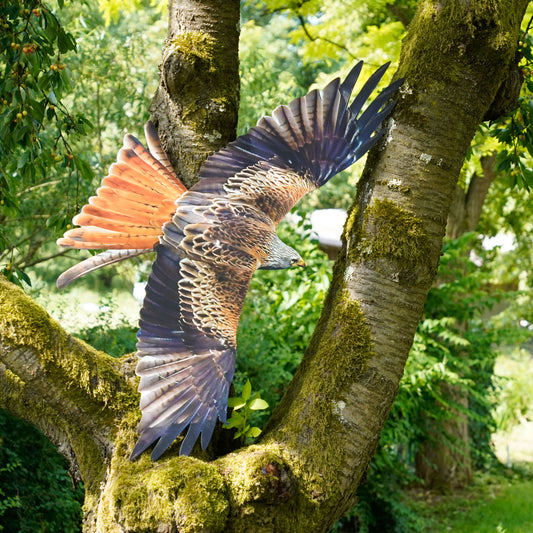
Red Kite - flying (bird protection)
Regular price 16,90€Regular priceUnit price / perSale price 16,90€ -
Animal display red kite - sitting - outdoor set
No reviewsRegular price 62,70€Regular priceUnit price / perSale price 62,70€ -
Animal display red kite - flying - outdoor set
1 reviewRegular price 153,70€Regular priceUnit price / perSale price 153,70€ -
Animal set - forest birds
Regular price 348,90€Regular priceUnit price / per369,90€Sale price 348,90€Sale -
Animal display red kite - flying
Regular price 142,90€Regular priceUnit price / perSale price 142,90€
Profile: Red Kite
-
Scientific classification
- Class: Aves (birds)
- Order: Accipitriformes (birds of prey)
- Family: Accipitridae (Accipitridae)
- Genus: Milvus
- Species: M. milvus (Red Kite)
-
Physical characteristics
- Size: Body length of 60-70 cm
- Wingspan: 150-170 cm
- Weight: 800-1200 g
- Special features: Reddish-brown plumage, deeply forked tail, long, narrow wings, bright feathers on the primaries and secondaries, shrill call.
-
Habitat and distribution
- Common regions: Europe, North Africa, parts of the Middle East
- Habitat: Open terrain such as meadows, fields, moors, but also forests with adjacent meadows and rivers.
-
Nutrition
- Diet: Mainly scavengers
- Typical diet: Carrion of small to medium-sized mammals, birds and fish, occasionally also live prey such as rodents, lizards and insects.
-
Reproduction and lifestyle
- Breeding season: Spring
- Nest building: In tall trees, often in old crows’ nests or specially built eyries
- Egg laying: 2-3 eggs per clutch
- Brood care: Both parents participate in the incubation and rearing of the young
- Social structure: Usually in pairs or small colonies, migratory bird with winter quarters in warmer regions.
-
Lifespan and protection status
- Life expectancy: Up to 15 years in the wild
- Endangered status: Endangered due to habitat loss, pesticide poisoning, and direct persecution.
- Conservation measures: preservation and protection of habitats, establishment of protected areas, reduction of pesticide use, education on the protection of the red kite.
-
How big the red kite really is
To the exhibitors- Red Kite - sitting: 60 × 44 cm
- Red Kite - flying: 83 × 140 cm
Dimensions of the life-size cut-outs (width × height), printed in 1:1 scale.
Vom Steckbrief zum Original – entdecke unsere Produkte rund um das Thema Red Kite.
Jetzt entdecken