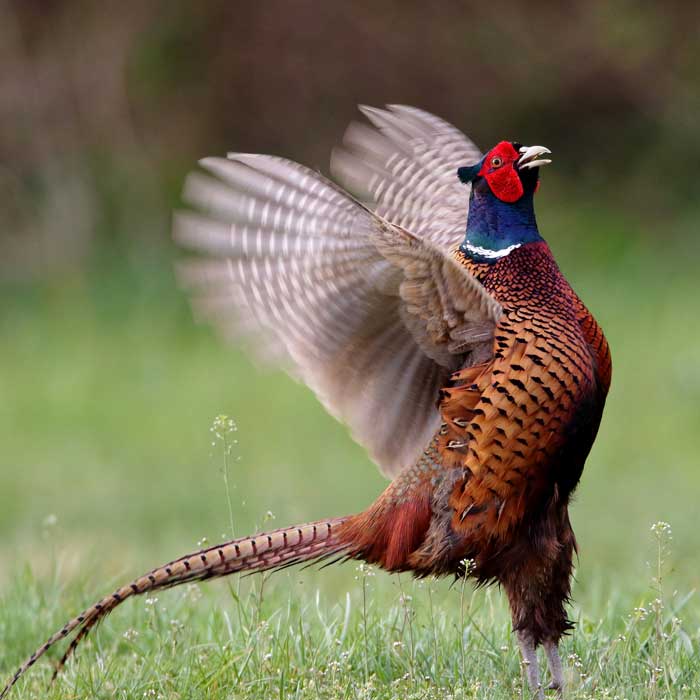
pheasant

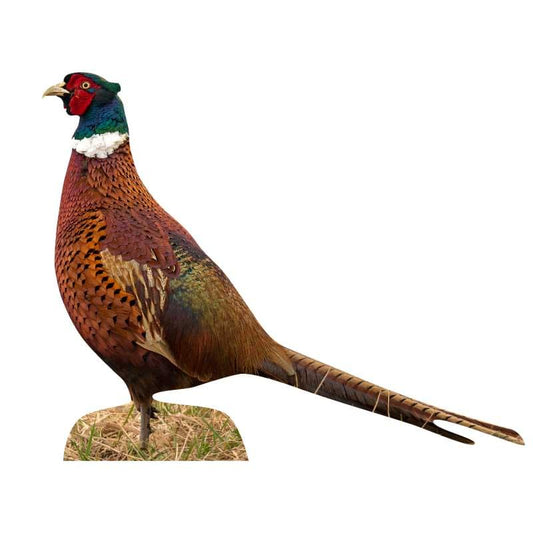
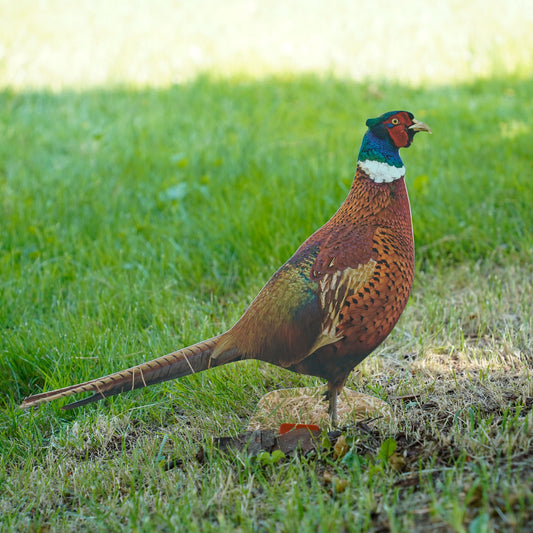
A popular game bird for hunting and often found in cultivated landscapes, the pheasant plays an important role in the ecosystem as a seed disperser and food source for predators. This fact sheet provides a detailed overview of the biology and ecology of the pheasant and highlights the importance of protecting its habitats and sustainable management.

Pheasants reach a body length of 60 to 90 cm and weigh 0.5 to 2.5 kg. As omnivores, pheasants eat seeds, grains, berries, insects, and small vertebrates. Their life expectancy is up to 5 years.

  • Scientific classification

    • Class: Aves (birds)
    • Order: Galliformes (gallinaceous birds)
    • Family: Phasianidae (Pheasants)
    • Genus: Phasianus
    • Species: P. colchicus (Ring-necked pheasant)
  • Physical characteristics

    • Size: Body length of 60-90 cm
    • Weight: 0.5-2.5 kg, depending on gender and subspecies
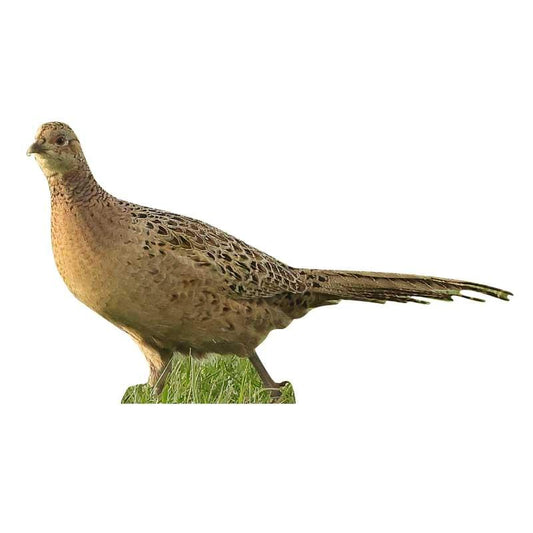
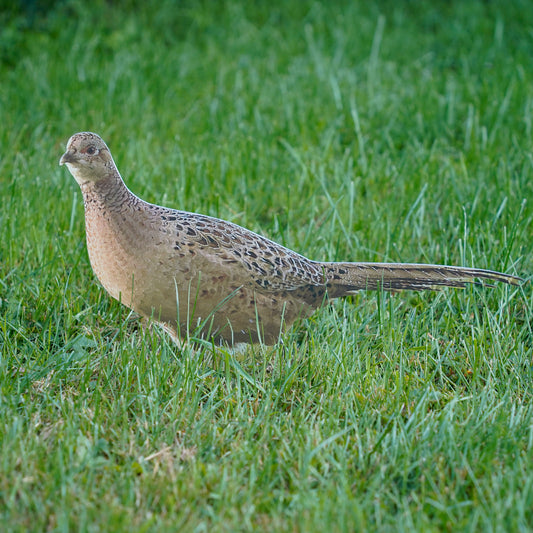
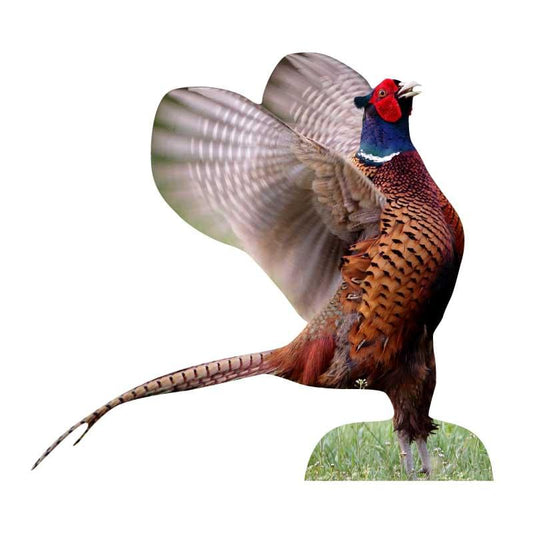
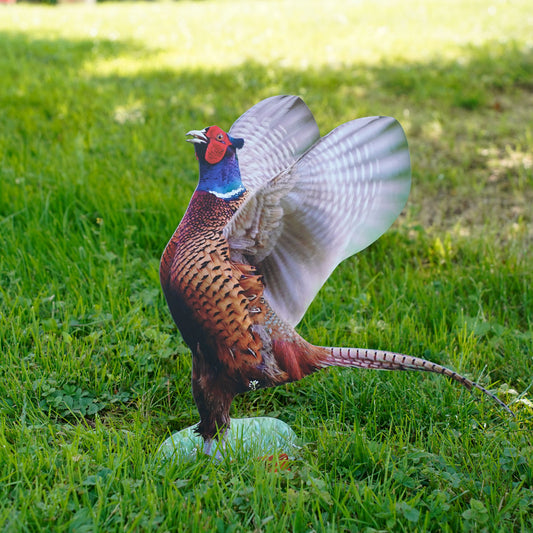
    • Special features: Long-tailed bird with a strong beak and long legs; males have striking plumage with bright colors and long tail feathers, while females are usually more muted in color.
  • Habitat and distribution

    • Common regions: Europe, Asia, North America, introduced in other parts of the world
    • Habitat: Diverse, from open fields and meadows to forest clearings and river banks; prefers regions with adequate cover and food.
  • Nutrition

    • Diet: Omnivorous, with predominantly plant-based food
    • Typical food: seeds, grains, berries, insects, small vertebrates
  • Reproduction and lifestyle

    • Mating season: spring to summer
    • Incubation period: Approx. 23-24 days
    • Clutch size: 8-12 eggs per clutch
    • Brood care: Females breed alone, males defend territory
    • Social structure: Often in small groups, especially outside the breeding season.
  • Lifespan and protection status

    • Life expectancy: Up to 5 years in the wild
    • Endangered status: Least concern; however, threatened in some areas by habitat loss and hunting.
    • Conservation measures: conservation and protection of habitats, regulation of hunting, breeding and release of pheasants to support populations.
  • This is how big the pheasant really is

    • Pheasant Cock - standing: 52 × 42 cm
    • Pheasant Hen: 50 × 29 cm
    • Pheasant Cock - flapping wings: 50 × 48 cm

    Dimensions of the life-size cutouts (width × height), printed to a 1:1 scale.

    To the exhibitors 

Vom Steckbrief zum Original – entdecke unsere Produkte rund um das Thema pheasant.

Jetzt entdecken