Fox
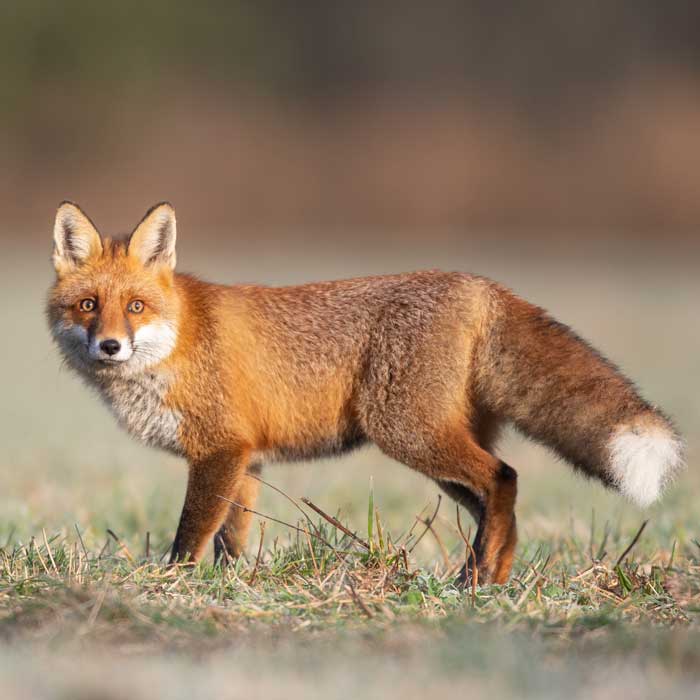
The fox, a common and adaptable wild animal, plays an important role in the ecosystem as both predator and prey. This fact sheet provides a detailed overview of the fox's biology and ecology and highlights the importance of protecting its habitats and living peacefully with humans.
The fox measures 45 to 90 cm in body length and weighs 3 to 14 kg. Its diet includes small mammals, birds, insects, fruits, berries, and carrion. Its life expectancy is up to 8 years.
Fox for Gardens, Nature Trails & Education
-
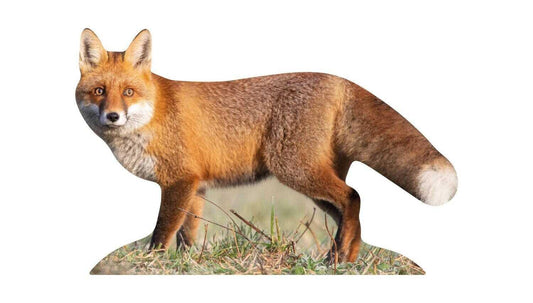
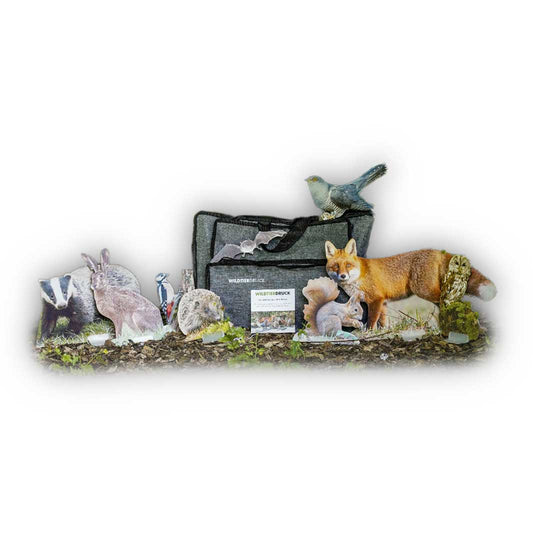
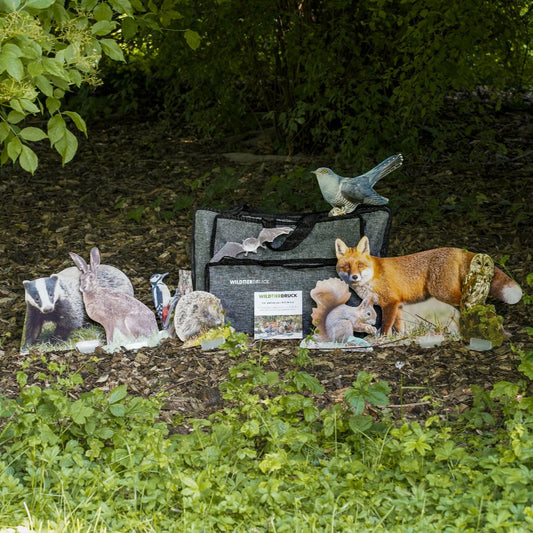
Animal display fox
3 reviewsRegular price From 76,90€Regular priceUnit price / perSale price From 76,90€ -
Life-size deer foot stamp
5 reviewsRegular price 159,90€Regular priceUnit price / perSale price 159,90€ -
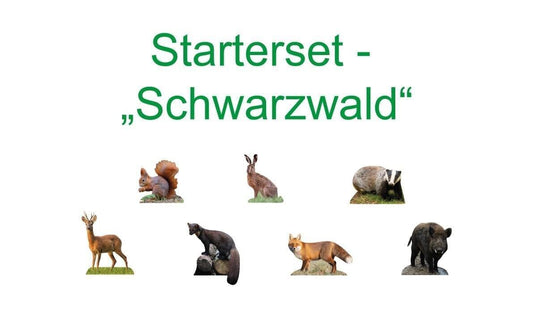
Starter set - "Black Forest"
11 reviewsRegular price From 465,90€Regular priceUnit price / perSale price From 465,90€ -
Life-size deer foot stamp
No reviewsRegular price 18,90€Regular priceUnit price / perSale price 18,90€ -
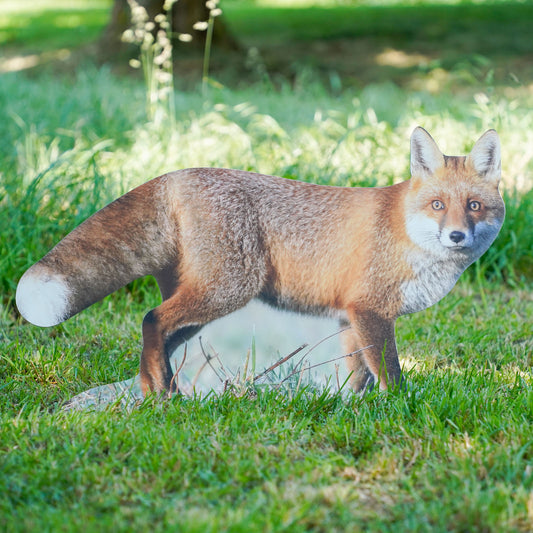
Animal stand fox - outdoor set
3 reviewsRegular price 92,50€Regular priceUnit price / perSale price 92,50€ -
Life-size deer foot stamp
2 reviewsRegular price 217,00€Regular priceUnit price / perSale price 217,00€ -
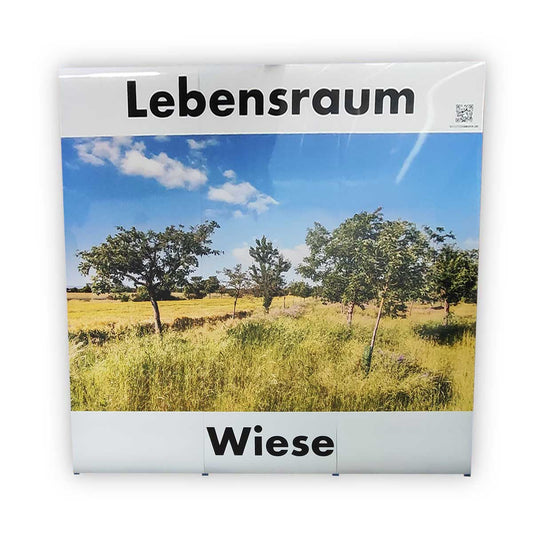
Pop-Up Wall "Forest Habitat"
No reviewsRegular price 330,00€Regular priceUnit price / perSale price 330,00€ -
Pop-Up Wall "Forest Habitat"
No reviewsRegular price From 1.320,00€Regular priceUnit price / perSale price From 1.320,00€ -
Pop-Up Wall "Forest Habitat"
1 reviewRegular price From 1.320,00€Regular priceUnit price / perSale price From 1.320,00€
Profile: Fox
-
Scientific classification
- Class: Mammalia (mammals)
- Order: Carnivora (predators)
- Family: Canidae (dogs)
- Genus: Vulpes
- Species: V. vulpes (red fox)
-
Physical characteristics
- Size: Body length of 45-90 cm
- Shoulder height: 35-50 cm
- Weight: 3-14 kg, depending on gender and region
- Special features: Slender build with bushy tail, pointed snout and large ears; fur in various shades of red and brown, often with a white chest and belly.
-
Habitat and distribution
- Common regions: Europe, Asia, North America, North Africa
- Habitat: Diverse, from forests to fields and meadows to urban areas; adaptable and often found near human settlements.
-
Nutrition
- Diet: Omnivorous with a predominance of meat
- Typical food: small mammals, birds, insects, fruits, berries, carrion, occasionally human waste.
-
Reproduction and lifestyle
- Mating season: winter to spring
- Gestation period: Approx. 52 days
- Litter size: 3-6 young per litter
- Brood care: Females raise the young alone
- Social structure: Mostly solitary, outside of the mating season.
-
Lifespan and protection status
- Life expectancy: Up to 8 years in the wild
- Endangered status: Not threatened, but hunting, traffic accidents and habitat loss can affect local populations.
- Conservation measures: protection and preservation of habitats, regulation of hunting, promotion of peaceful coexistence with humans.
-
Tracks and Footprints
To the tracking stamp- The red fox (Vulpes vulpes) leaves a narrow, elongated track with four toes and clearly visible claw marks.
-
How Big a Fox Really Is
To the exhibitors- Fox: 79 × 51 cm
Dimensions of the life-size standees (width × height), printed at a 1:1 scale.
From fact sheet to the real thing – discover our products on the subject of Fox.
Discover now