Badger
The European badger is known for its hardy nature and social behaviour, lives in complex underground burrows and plays an important role in the ecosystem through its omnivorous diet. This fact sheet provides a detailed overview of the biology and ecology of the badger and highlights the need to protect and conserve its habitat.
Badger Products
-
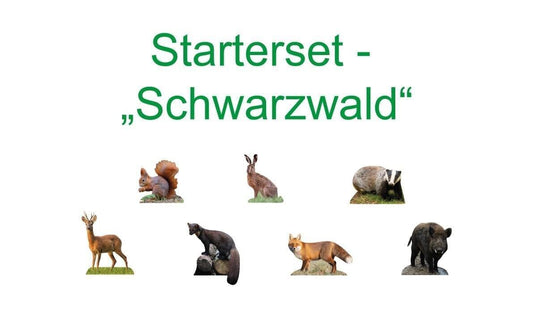
Starter set - "Black Forest"
10 reviewsRegular price From 465,90€Regular priceUnit price / perSale price From 465,90€ -
Life-size deer foot stamp
4 reviewsRegular price 159,90€Regular priceUnit price / perSale price 159,90€ -
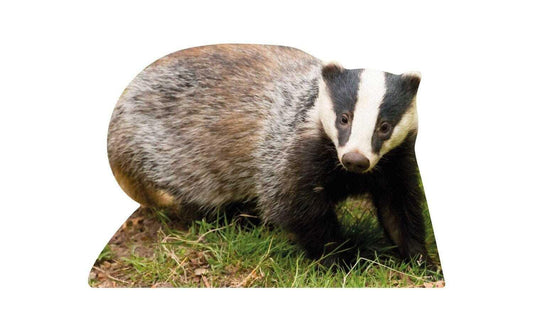
Animal display badger
1 reviewRegular price From 65,90€Regular priceUnit price / perSale price From 65,90€ -
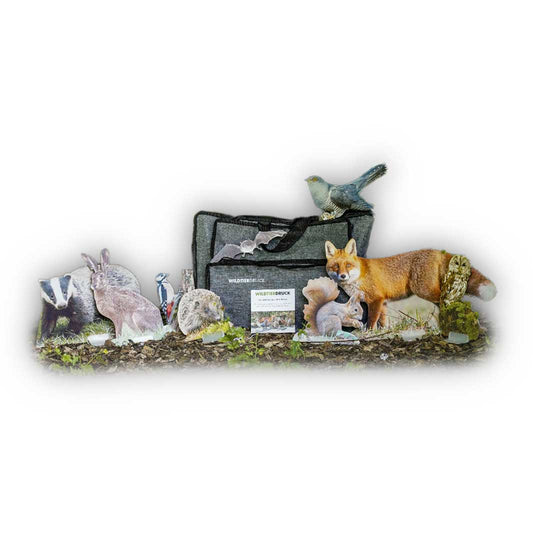
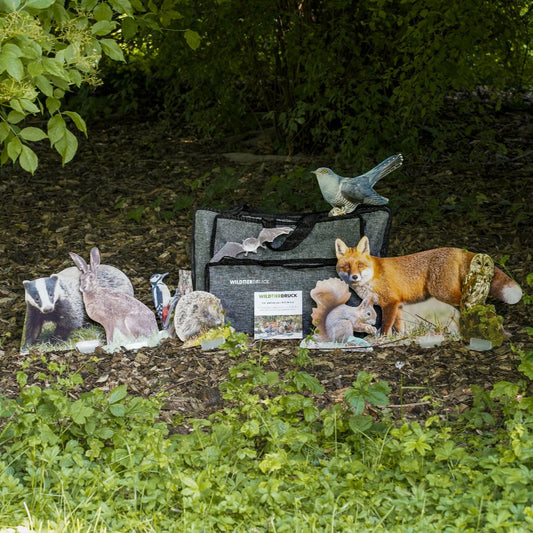
Animal set - forest animals
6 reviewsRegular price 385,90€Regular priceUnit price / perSale price 385,90€ -
Life-size deer foot stamp
No reviewsRegular price 18,90€Regular priceUnit price / perSale price 18,90€ -
Life-size deer foot stamp
1 reviewRegular price 217,00€Regular priceUnit price / perSale price 217,00€ -
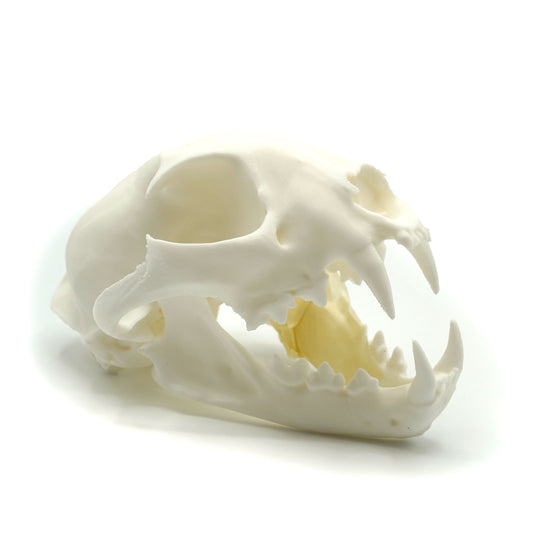
Life-size badger skull replica
No reviewsRegular price 35,00€Regular priceUnit price / perSale price 35,00€ -
Animal display badger - outdoor set
No reviewsRegular price 81,50€Regular priceUnit price / perSale price 81,50€ -
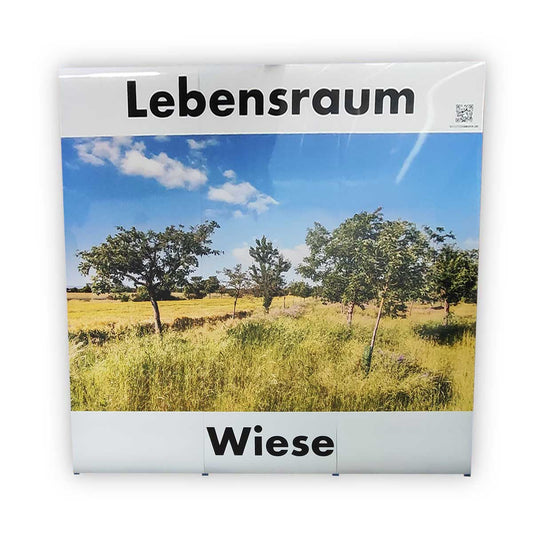
Pop-Up Wall "Forest Habitat"
No reviewsRegular price 330,00€Regular priceUnit price / perSale price 330,00€ -
Pop-Up Wall "Forest Habitat"
No reviewsRegular price From 1.320,00€Regular priceUnit price / perSale price From 1.320,00€
Profile: Badger
-
Scientific classification
- Class: Mammalia (mammals)
- Order: Carnivora (predators)
- Family: Mustelidae (Martens)
- Genus: Meles
- Species: M. meles (European badger)
-
Physical characteristics
- Size: Body length of 65-80 cm
- Tail length: 12-20 cm
- Weight: Males up to 17 kg, females slightly lighter
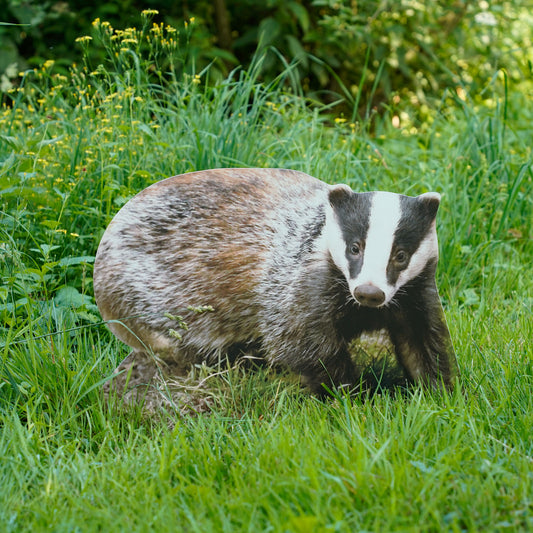
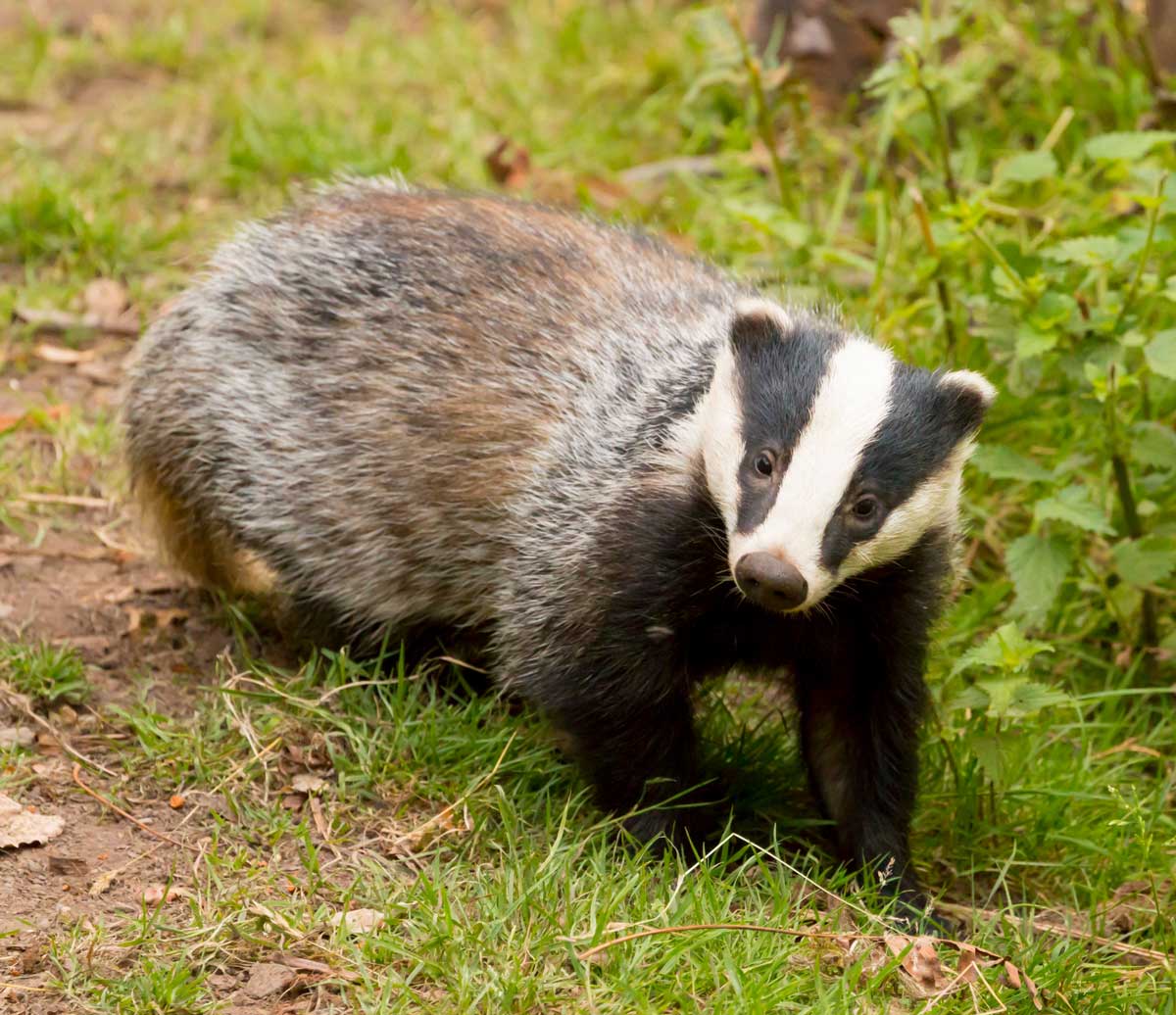
- Special features: Stocky body, short legs, striking black and white stripes on the face, long silver-grey fur on the body.
-
Habitat and distribution
- Common regions: Widely distributed in Europe, Asia and introduced as an invasive species in Japan.
- Habitat: Deciduous and mixed forests, but also open fields, parks and gardens; prefers regions with loose soil for digging burrows.
- Adaptability: High, can adapt well to rural and peri-urban areas.
-
Nutrition
- Diet: Omnivore
- Typical food: worms, insects, larvae, roots, fruits and occasionally small mammals and birds.
-
Reproduction and lifestyle
- Mating season: February to May
- Gestation period: Approx. 7 weeks (with a special feature of delayed implantation, so that the young are usually born in spring)
- Litter size: Average 2-5 young
- Social structure: Lives in complex social group structures called “clans” that use common burrows and have hierarchical structures.
-
Lifespan and protection status
- Life expectancy: Up to 14 years in the wild, but less on average
- Endangered status: Least concern; stable populations, although threatened in some areas by diseases such as TB and by habitat loss
- Conservation measures: Conservation of habitats, particularly forests and safer road crossings to reduce mortality.