lynx
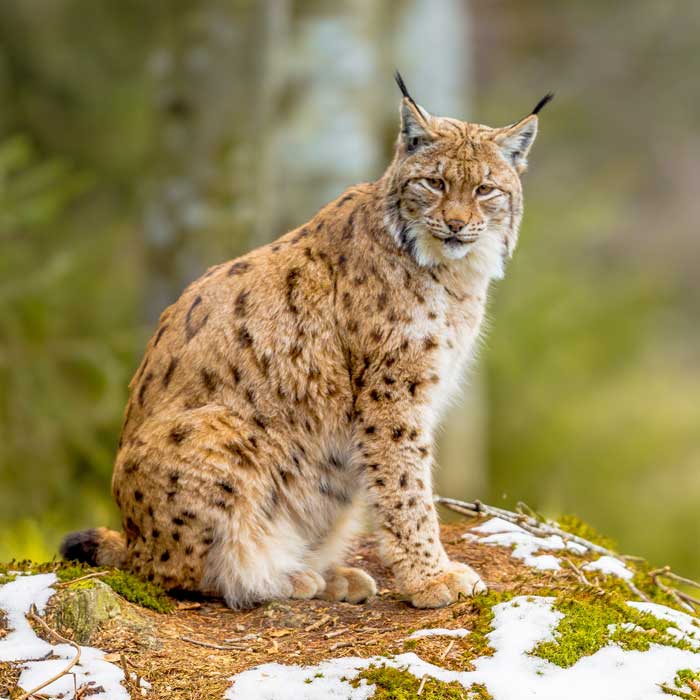
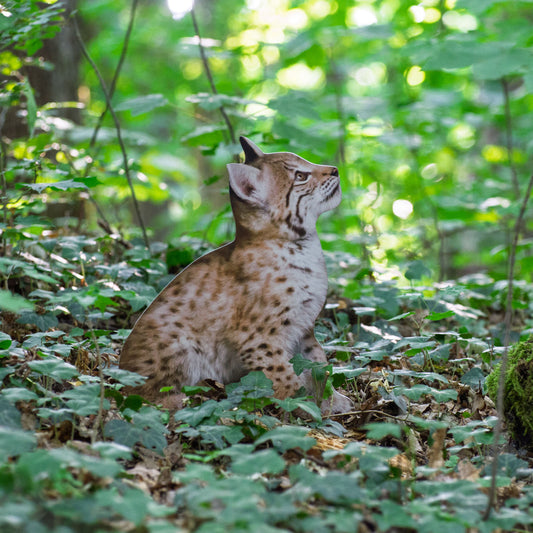
The lynx, a majestic predator with distinctive brush ears, is a symbol of pristine forests and remote mountain regions. This fact sheet provides a detailed overview of the biology and ecology of the lynx and highlights the importance of its protection and conservation in natural habitats.
lynx Products
-
Life-size deer foot stamp
Regular price 159,90€Regular priceUnit price per -
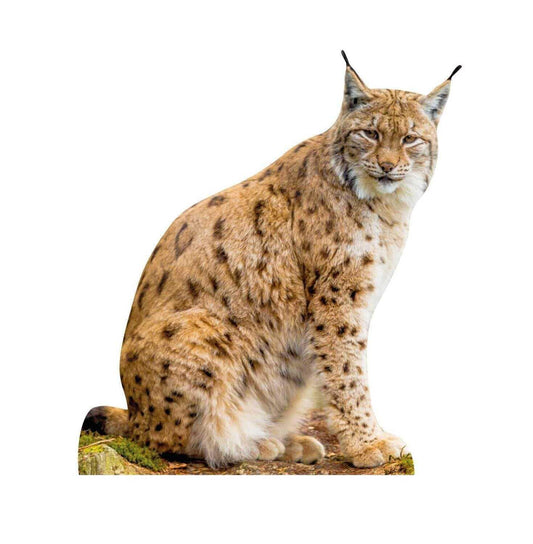
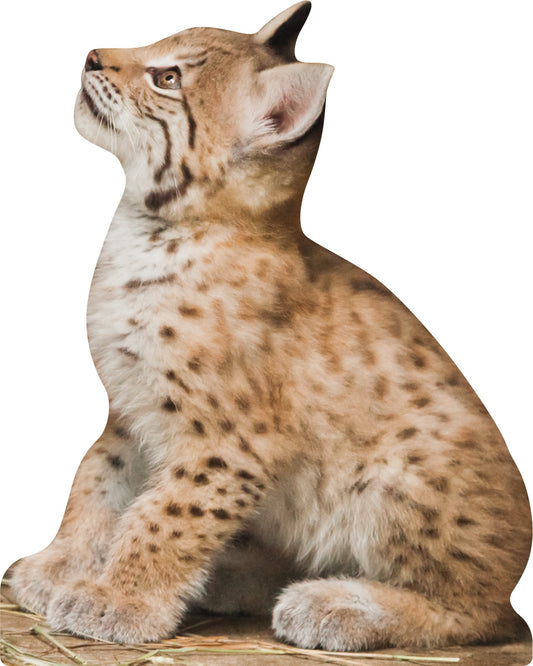
Animal display lynx
Regular price From 98,90€Regular priceUnit price per -
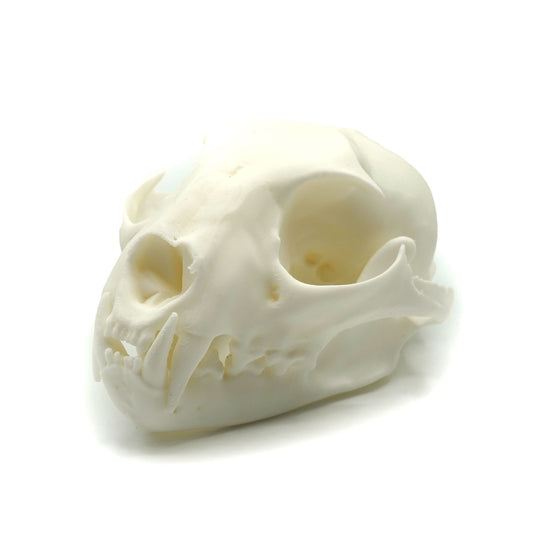
Life-size lynx skull replica
Regular price 45,00€Regular priceUnit price per -
Animal set - "special hunters"
Regular price From 336,90€Regular priceUnit price per329,90€Sale price From 336,90€ -
Animal display pine marten
Regular price From 32,90€Regular priceUnit price per -
Life-size deer foot stamp
Regular price 29,90€Regular priceUnit price per -
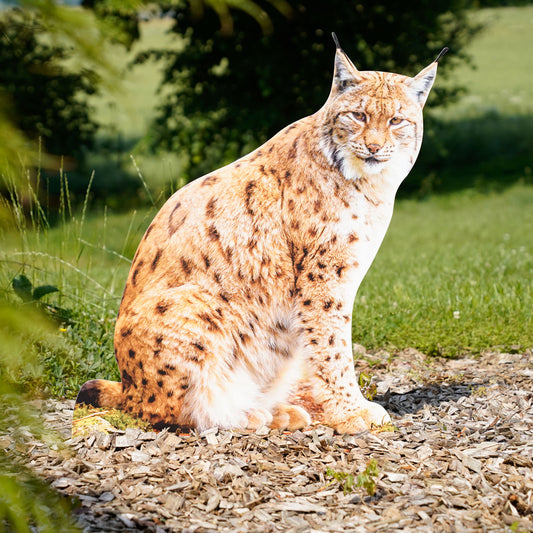
Animal display lynx - outdoor set
Regular price 114,50€Regular priceUnit price per -
Wildlife Sticker Set
Regular price From 9,90€Regular priceUnit price per -
Animal display pine marten - outdoor set
Regular price 48,50€Regular priceUnit price per -
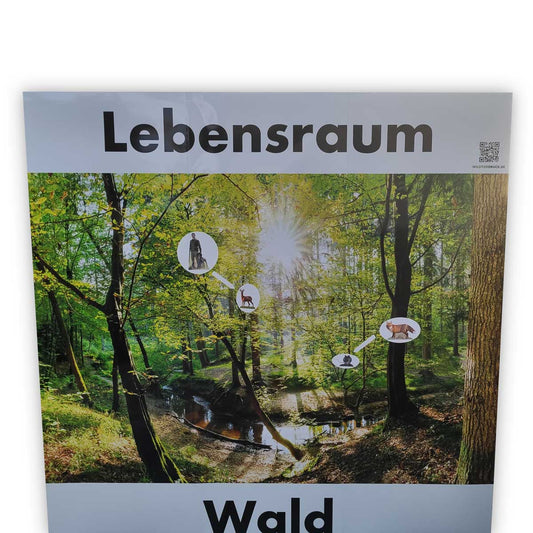
Pop-Up Wall "Forest Habitat"
Regular price 330,00€Regular priceUnit price per -
Pop-Up Wall "Forest Habitat"
Regular price From 1.320,00€Regular priceUnit price per