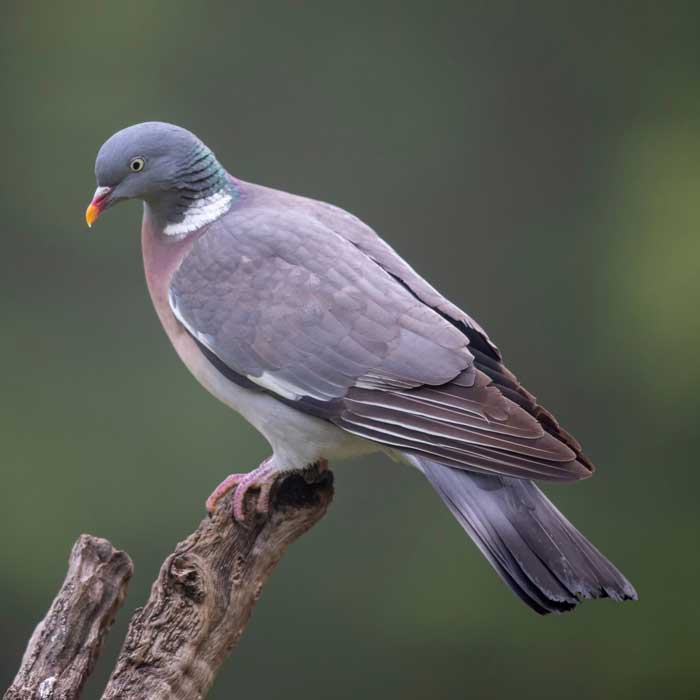
Dove
Pigeons, a diverse group of birds, are distributed worldwide and are often found near human settlements. This fact sheet provides a detailed overview of the biology and ecology of pigeons and highlights the importance of their conservation and coexistence with humans.
The pigeon measures 30 to 40 cm in body length and weighs 200 to 600 g. Its diet consists of grains, seeds, fruits, berries, as well as insects and other small invertebrates. Its life expectancy is up to 15 years.
Dove for Garden, Nature Trail & Education
-
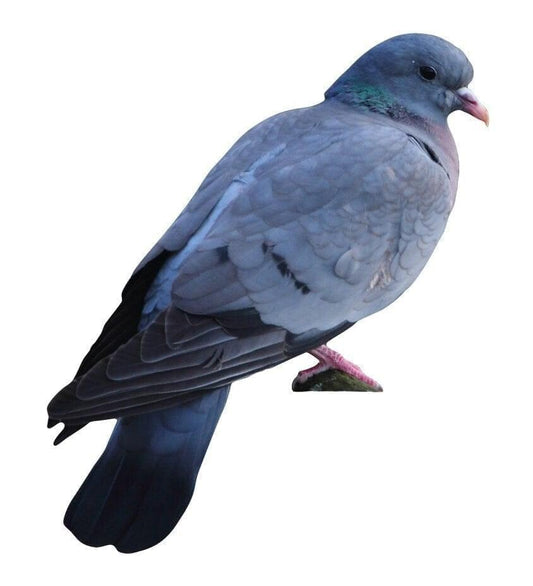
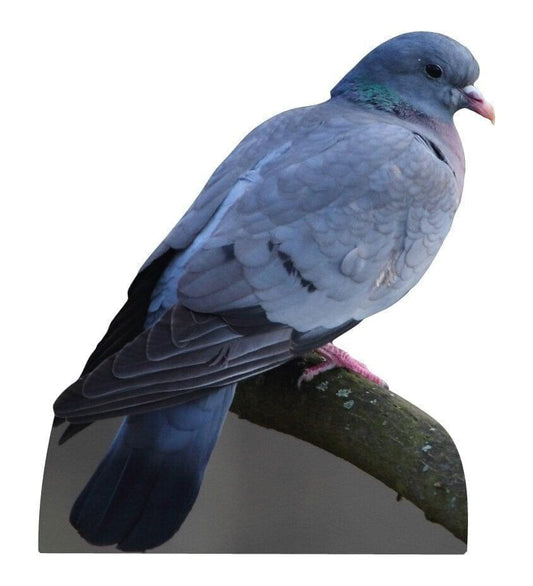
Animal display stock dove
Regular price From 21,90€Regular priceUnit price / perSale price From 21,90€ -
Animal display stock dove
1 reviewRegular price From 32,90€Regular priceUnit price / perSale price From 32,90€ -
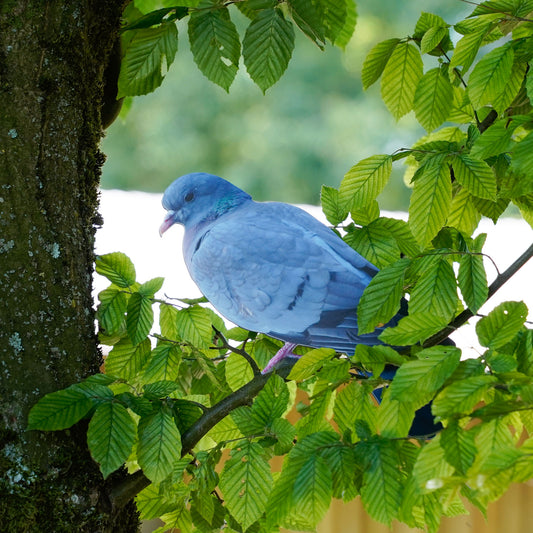
Animal display stock dove - outdoor set
No reviewsRegular price 38,30€Regular priceUnit price / perSale price 38,30€ -
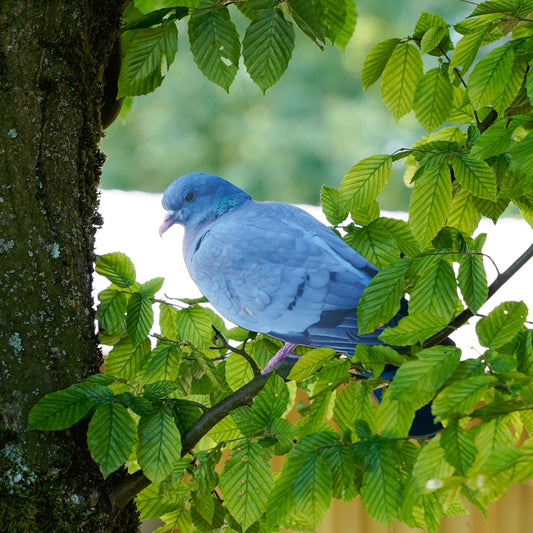
Animal display stock dove with branch
Regular price From 21,90€Regular priceUnit price / perSale price From 21,90€ -
Animal display stock dove - outdoor set
No reviewsRegular price 27,30€Regular priceUnit price / perSale price 27,30€ -
Animal display stock dove - outdoor set
No reviewsRegular price 40,70€Regular priceUnit price / perSale price 40,70€ -
Animal display stock dove
No reviewsRegular price 36,80€Regular priceUnit price / perSale price 36,80€ -
Animal display stock dove with branch - outdoor set
No reviewsRegular price 27,30€Regular priceUnit price / perSale price 27,30€
Profile: Dove
-
Scientific classification
- Class: Aves (birds)
- Order: Columbiformes (pigeon birds)
- Family: Columbidae (pigeons)
- Genus: Columba (True Pigeons)
- Species example: Columba livia (Rock Pigeon)
-
Physical characteristics
- Size: Body length of 30-40 cm
- Weight: 200-600 g, depending on species and subspecies
- Special features: Compact shape with a strong body, short legs, round wings, small heads and a characteristic cooing sound.
-
Habitat and distribution
- Common regions: Worldwide, except for the extreme polar regions and some isolated islands
- Habitat: Diverse, from urban areas to forests and parks to agricultural land; adaptable to human settlements.
-
Nutrition
- Diet: Omnivorous with predominantly plant-based food
- Typical food: grains, seeds, fruits, berries, but also insects and other small invertebrates.
-
Reproduction and lifestyle
- Breeding season: All year round, varies depending on region and species
- Nest building: In trees, buildings, rock niches or other elevated places
- Egg laying: 1-2 eggs per clutch
- Brood care: Both parents participate in raising the young
- Social structure: Usually in pairs or in larger flocks that search for food and rest together.
-
Lifespan and protection status
- Life expectancy: Up to 15 years in the wild
- Endangered status: Not threatened, but some species suffer from habitat loss and hunting.
- Conservation measures: conservation and protection of habitats, regulation of hunting, promotion of conflict prevention measures in urban areas.
-
How big the pigeon really is
To the exhibitors- Stock Dove: 25 × 29 cm
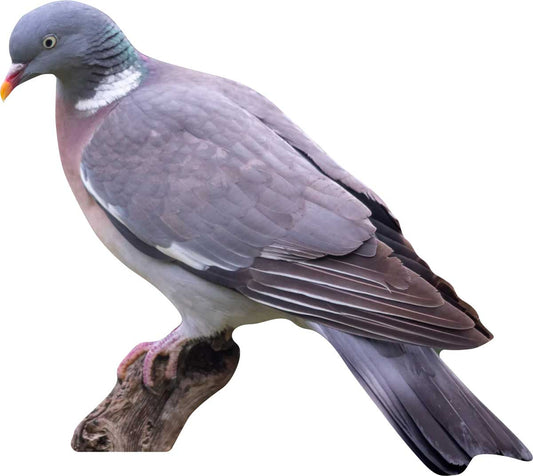
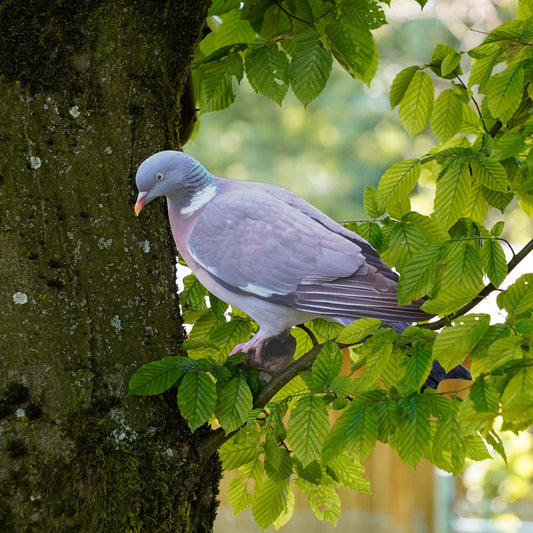
- Common Wood Pigeon: 36 × 30 cm
- Stock Dove with Branch: 25 × 29 cm
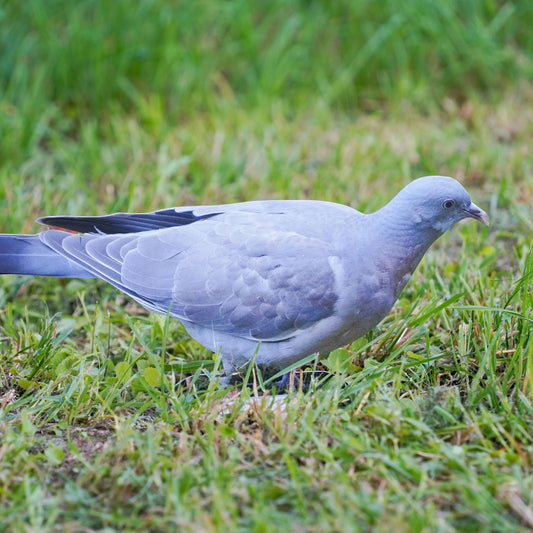
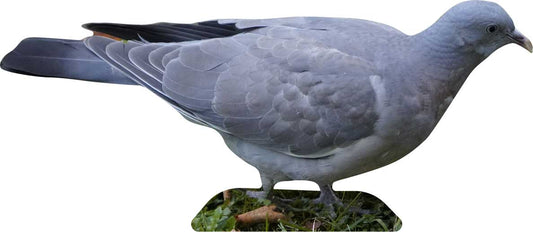
- Common Wood Pigeon Juvenile: 40 × 18 cm
Dimensions of the life-size standees (width × height), printed at a scale of 1:1.
Vom Steckbrief zum Original – entdecke unsere Produkte rund um das Thema Dove.
Jetzt entdecken